No, you shouldn’t rinse pasta under the tap: chefs explain the only three times cold water belongs on cooked pasta
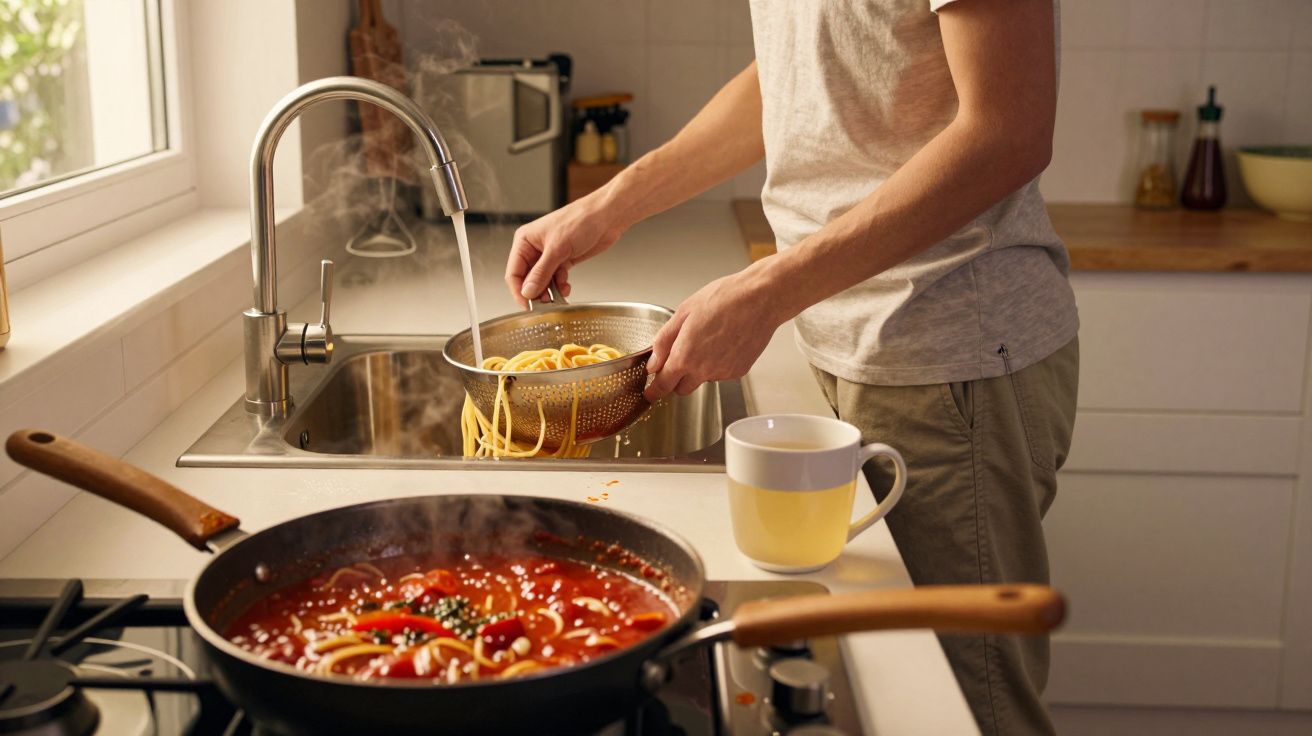
The colander hit the sink, steam rushed up, and before I could stop her my friend had the tap on full blast. Perfectly al dente penne turned chalky in seconds, the starch sluiced away like it had done something wrong. “Stops it sticking,” she shrugged. “My mum does it.” That’s how most pasta crimes start: with a habit, a half-heard tip, and a tap that’s too eager.
What shocked me later wasn’t the soggy pasta. It was how unanimous chefs are about this one thing. Ask almost any Italian nonna, neighbourhood trattoria cook or London pasta chef and you get the same look: a cross between heartbreak and disbelief. Under normal circumstances, rinsing pasta is culinary vandalism. Yet three very specific situations do earn a green light for cold water. The trick is knowing when you’re saving dinner, and when you’re stripping it of everything that makes it good.
The odd truth about pasta water: you need the “slime”
We like to think good pasta is all about the brand or the bronze die finish. That matters, of course. But the real engine of silky sauces is the cloudy water left behind after boiling. Those starches clinging to the surface are not a fault; they are the glue. They help sauce cling, emulsify fat, and turn a handful of ingredients into something that feels restaurant-level.
Once you see that, rinsing looks very different. That tap isn’t just cooling your dinner, it’s washing away the natural thickener you’ve just spent ten minutes creating. You end up with sauce sliding off like rain on waxed paper, and a texture that reads reheat-from-a-jar rather than trattoria. The more enthusiastically you rinse, the more you punish your own plate.
There’s another layer. Hot pasta continues to cook after you drain it, which is why chefs talk about finishing “in the pan”. Pulling it a minute early and letting it mingle with sauce and a ladle of pasta water is how you get that tight, glossy coating. Dousing it in cold water halts that alchemy mid-way, then leaves you wondering why your carbonara tastes like scrambled egg on noodles.
Chefs keep repeating one blunt rule: if you want sauce to cling, never rinse your pasta.
When rinsing ruins dinner
The classic home-cook move is to drain a big colander of spaghetti, park it under the tap, and then spoon Bolognese on top like you’re decorating a wig. It feels tidy. It also breaks almost every principle that makes pasta taste good.
Here’s what the cold tap does to your pot of promise:
- Washes off surface starch, so sauce can’t grab properly.
- Cools pasta below the temperature where cheese melts and eggs emulsify smoothly.
- Dilutes any salt left on the surface, flattening flavour.
- Leaves you with a bowl of slippery strands that clump as they cool.
Restaurant kitchens almost never do this. Pasta leaves the water and goes straight into a pan where sauce is waiting, with a splash of that cloudy liquid along for the ride. A minute of tossing at high heat and everything binds. That “restaurant sheen” isn’t mystery butter; it’s starch and movement.
Once you’ve tasted pasta finished this way, the rinse-and-dump method starts to feel like drying your hair with the window open in November: technically possible, but needlessly cold and unkind.
The only three times cold water belongs on cooked pasta
Chefs will concede there are rare, sensible moments when turning on the tap makes culinary sense. Think of them as emergency exits, not everyday practice.
1. For pasta salad that tastes like food, not PVA glue
Cold salads are the main exception. When pasta is destined for the fridge, you actually want to stop the cooking fast and prevent it turning into one solid, claggy lump. This is where cold water earns its keep.
The move looks like this: cook the pasta in well-salted water until just shy of al dente, drain quickly, then rinse under cold water while shaking the colander to cool it evenly. Drain again thoroughly. You’re not trying to wash it squeaky clean, just to lower the heat and take the edge off the stickiness so a vinaigrette can coat it lightly rather than wrestling a warm, gummy mass.
Chefs add one more quiet rule: dress it while it’s just cool, not fridge-cold. Oil and acid hug the pasta better at that in-between stage. Rinsing here is about texture control and food safety for a dish that will sit around. It’s a tool, not a habit.
2. For noodles headed into a roaring wok
If you’ve ever tried to fry leftover spaghetti or fresh egg noodles straight from the pot, you’ll know how quickly they weld themselves to the pan and to each other. Stir-fry chefs solve this by cooling and loosening the noodles before they ever see high heat.
After boiling, they drain, rinse briefly in cold water to knock off excess starch and drop the temperature, then toss the noodles with a whisper of oil. That way, when they hit the wok, they separate easily, pick up char and sauce, and keep some bite rather than turning into a soft, smoky knot.
Italian purists will argue stir-frying pasta isn’t “authentic” anyway, but cooks in fusion kitchens and home fridges across Britain are practical. If yesterday’s linguine is about to become tonight’s speedy prawn and chilli stir-fry, a quick rinse and oil toss can rescue texture instead of sacrificing your pan to scraping and regret.
3. For shock-stopping lasagne sheets and fragile shapes
The third exception is about handling, not serving. Large sheets for lasagne, cannelloni tubes, or fresh filled shapes like ravioli and tortelloni can overcook or stick to each other catastrophically if you’re working in batches. Here, a shallow tray of iced or very cold water acts like a holding area.
Chefs parboil a few sheets at a time, then slip them straight into the cold water. Once cooled, they lift them out, pat dry quickly on a clean tea towel, and layer them in the baking dish with sauce. The rinse isn’t about flavour; it’s a damage-control tactic so your painstakingly rolled sheets don’t fuse into an unusable accordion.
The same trick helps with delicate stuffed pasta cooked ahead of a busy service. A brief dip in cold water after boiling stops carryover cooking, then the shapes are reheated to order in sauce. At home, you probably won’t need this often, but if you’re feeding a crowd with a giant lasagne, that tray of cold water can be the difference between clean layers and a shredded, gluey mess.
How to treat pasta like a chef at home
Once you understand what the water is doing, small adjustments turn Tuesday-night pasta into something astonishingly better without extra faff. You’re not aiming for restaurant theatre; you’re after quiet competence.
Think in this order:
- Salt the cooking water so it actually tastes of the sea, not a vague memory of it.
- Cook the pasta until just shy of al dente, tasting rather than trusting the packet blindly.
- Reserve a mug of the starchy water before you drain.
- Move the pasta straight from pot to pan with the sauce, using tongs or a spider.
- Add splashes of pasta water as you toss, letting the starch bind sauce and fat.
- Finish with a little fat (butter or oil) and cheese off the direct heat so it emulsifies, not clumps.
None of that involves a tap. The whole method takes roughly the same time as carrying a colander to the sink and fumbling with a jar, but the result tastes like you’ve actually cared about the grain of wheat that made the pasta in the first place.
Common myths that send you to the sink
Myths cling to pasta like undercooked sauce. A few do the heavy damage.
- “Rinsing stops it sticking.” What actually stops it sticking is enough water, stirring in the first minute, and not leaving it naked in the colander. Toss it straight with sauce or a drizzle of oil if you must hold it briefly.
- “It cools it down for the kids.” So does serving smaller portions on wide plates, or letting it sit in the bowl for a minute. Rinsing strips flavour and texture in the process.
- “It gets rid of the ‘slime’.” That “slime” is your free emulsifier. If your sauce feels gluey, you’re probably over-reducing or using too much cheese and not enough water, not suffering from the starch itself.
Chefs are not guarding some mystical rule book. They are simply respecting the physics in the pot. When you treat starch as an ally rather than an accident, your default improves without a single new recipe.
Quick reference: rinse or not?
| Situation | Rinse? | Why |
|---|---|---|
| Hot pasta with sauce (Bolognese, carbonara, pesto) | No | You need starch and heat for cling and emulsion |
| Pasta salad for the fridge | Yes, briefly | Stop cooking and reduce clumping |
| Noodles for stir‑fry | Yes, briefly | Cool and separate strands |
| Lasagne sheets / delicate filled pasta holding | Yes, into cold water | Prevent tearing and overcooking |
FAQ:
- Should I ever rinse pasta for classic sauces like carbonara or cacio e pepe? No. These dishes rely heavily on surface starch and heat; rinsing almost guarantees a split, sad sauce.
- How do I stop pasta sticking without rinsing? Use plenty of boiling, salted water, stir in the first minute, and move the pasta directly into sauce instead of letting it sit. A tiny drizzle of oil only if you must hold it alone briefly.
- Is rinsing healthier because it removes starch? The amount lost under the tap is minimal nutritionally, but significant for texture. Portion size and what you serve alongside matter far more for health than rinsing.
- Does fresh pasta follow the same rules? Yes. Fresh pasta has even more surface starch and cooks faster, so skipping the rinse and finishing in the pan is arguably more important.
- What if my habit is hard to break? Change the sequence: put the pan with sauce on the hob before you drain, reserve some cooking water, and force yourself to toss everything together immediately. If your pasta looks glossy and the colander stays away from the tap, you’re doing it right.




Comments (0)
No comments yet. Be the first to comment!
Leave a Comment