Not retinol, not hyaluronic acid: the underrated moisturiser ingredient dermatologists love for mature skin
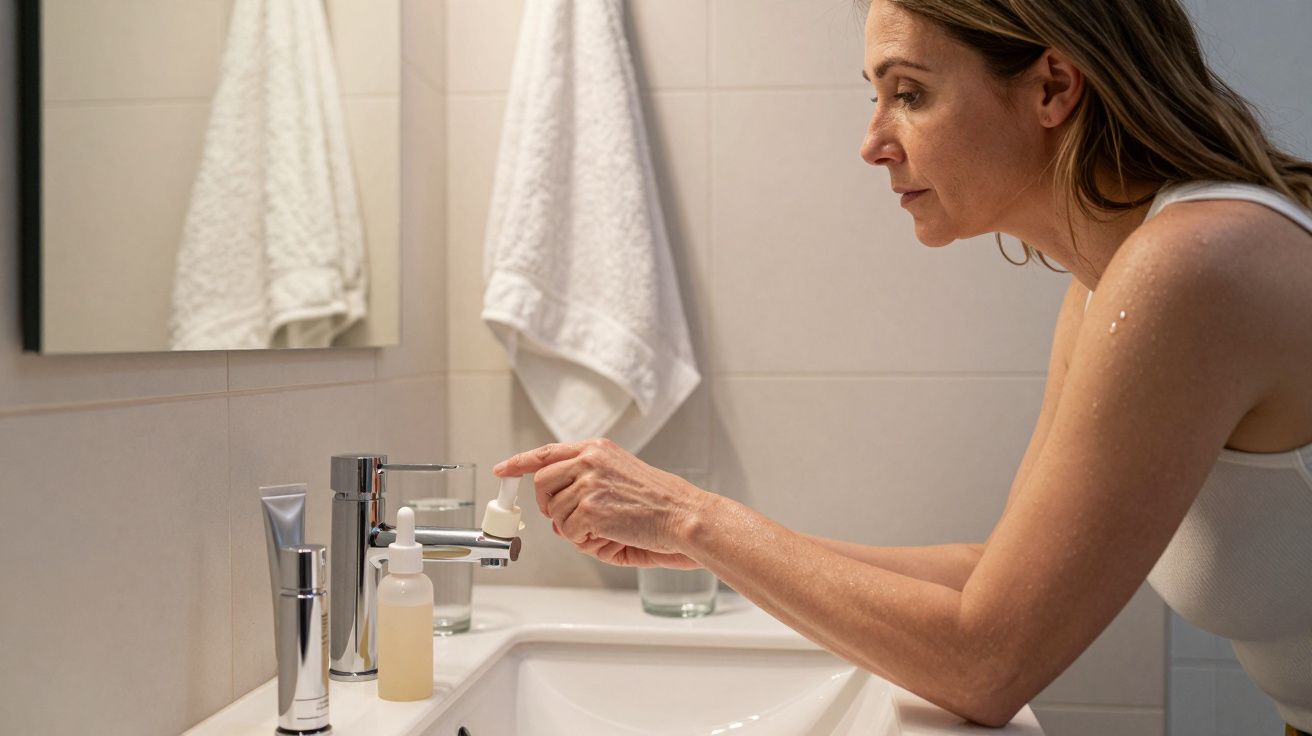
You’re standing at the bathroom mirror, eyeing a line that definitely wasn’t there last year, debating whether another retinol or a “new-gen” hyaluronic serum is the missing piece. Your skin feels tight after cleansing, fine lines suddenly look sharper by late afternoon, and yet every “anti‑ageing” cream you’ve tried either stings, pills under make‑up, or does absolutely nothing noticeable at all.
Then a dermatologist glances at your routine and quietly asks: “Where’s the glycerin?”
No fancy gold bottle, no dramatic marketing claim. Just a clear, slightly sticky liquid that sits in the middle of the ingredients list on almost every product you own. For mature skin, it might be the unglamorous hero you’ve been overlooking.
The moisturising workhorse hiding in plain sight
Dermatologists sometimes call glycerin the “spine” of a good moisturiser. It’s a humectant, which means it attracts water into the upper layers of the skin and helps keep it there. While hyaluronic acid gets the glossy headlines, glycerin has been quietly doing the heavy lifting in labs and clinics for decades.
The difference with age is in the details. As oestrogen dips and your skin’s barrier thins, it loses its own natural moisturising factors. Water escapes more easily, and every cleanser, central heating blast, or chilly dog walk steals a bit more. Glycerin steps in as a reliable stand‑in, drawing in moisture from deeper skin layers and from the environment when humidity allows, then helping your barrier hold onto it.
It doesn’t need to be the star ingredient on the front of the tube to work. In fact, many dermatologist‑favourite creams for eczema, rosacea and post‑procedure recovery are built around relatively high levels of glycerin for one reason: it’s boringly effective.
Why mature skin responds so well to glycerin
Dermatologists like glycerin for older skin not just because it hydrates, but because of how it hydrates. Instead of sitting on top and pretending to be dewiness, it actually changes the way your stratum corneum – the outermost layer – behaves over time.
Glycerin helps:
- Reduce transepidermal water loss (TEWL), so your skin stops “leaking” moisture as fast.
- Keep corneocytes (the cells on the surface) more flexible and less brittle, which softens that dry, crepey look.
- Support the organisation of lipids between those cells, indirectly strengthening your barrier.
One consultant dermatologist described it like this:
“Retinol rewrites how cells behave. Glycerin changes the climate they live in. Mature skin needs both – but if the climate is harsh, nothing thrives.”
When your barrier is supported, active ingredients behave better. Retinoids sting less, vitamin C is less likely to trigger that prickly heat feeling, and even simple cleansing stops leaving you looking oddly grey and drained. Many people only notice glycerin once they strip it out by accident and their “suddenly sensitive” skin starts to complain.
Glycerin vs retinol vs hyaluronic acid: different jobs, same team
It’s tempting to compare ingredients in a straight fight, but these three are more like different positions on the same team.
| Ingredient | Main role | Best for mature skin when… |
|---|---|---|
| Retinol | Speeds cell turnover, boosts collagen, tackles pigmentation | Used a few nights a week after barrier is stable and well hydrated |
| Hyaluronic acid | Draws water to the surface, gives short‑term plumpness | Layered under cream in humid or normal conditions; not used alone in dry air |
| Glycerin | Deep, steady hydration and barrier support | Present in cleanser and moisturiser, day and night, almost every day |
Retinol can make a visible difference to wrinkles and tone, but it also increases your skin’s demand for moisture. Hyaluronic acid can give that glassy, bouncy moment after application, yet if the air is dry and you don’t seal it in, it can pull moisture from deeper layers and leave you paradoxically drier.
Glycerin, by contrast, cares more about stability than drama. It won’t erase a groove between your brows, but it can stop that groove from looking harsher every evening because your skin is perpetually parched. Think of it as the reliable scaffolding under your more glamorous actives.
How to spot (and use) glycerin like a dermatologist
You probably own glycerin already; the trick is using it deliberately instead of by accident. Skin specialists often tweak three simple touchpoints: cleanse, treat, seal.
1. Start with a glycerin‑rich cleanser
Mature skin rarely loves harsh foams. A hydrating gel or milk that lists glycerin high up the ingredients list can clean without stripping, which means you don’t begin each routine in a moisture deficit.
- Choose a non‑fragranced, low‑foam formula if you flush easily.
- If you wear heavy make‑up, use a balm first, then follow with a glycerin cleanser instead of a second harsh wash.
- Notice how your skin feels 10 minutes later without cream; if it feels tight, your cleanser is too aggressive.
2. Layer a glycerin serum where you’d usually stop
You don’t need another step, but a light, water‑gel serum with a high glycerin content can bridge the gap between “just cleansed” and “fully sealed in”.
Apply it:
- On slightly damp skin after cleansing, before retinoids or other actives at night.
- Under vitamin C in the morning if your skin reacts to acids.
- On neck and chest, which often show dehydration lines first.
This is where many people see that quiet change: make‑up sitting better, less foundation sinking into fine lines by lunchtime, fewer random dry patches catching the light.
3. Seal with a cream that doesn’t skimp on it
A night cream with both glycerin and lipids (ceramides, cholesterol, fatty acids) is ideal for older skin. The glycerin pulls in water; the lipids keep it from evaporating.
Dermatologists often advise:
- Using a richer cream at night, even if you stay lighter in the day.
- Patting, not rubbing, especially around eyes and mouth where skin is thinner.
- Layering retinoid first, waiting a few minutes, then following with your glycerin‑rich moisturiser if you’re prone to irritation.
If you love oils, treat them as a final, optional veil – one or two drops pressed on top of your cream, not a replacement for that glycerin‑and‑lipid base.
Common mistakes that quietly sabotage hydration
Glycerin is forgiving, but your routine might be working against it without you realising.
Typical traps dermatologists mention:
- Over‑cleansing: washing three times a day or using micellar water as a cleanser and not rinsing. Residual surfactants can keep chipping away at your barrier.
- Alcohol‑heavy toners: especially those promising “pore tightening” or “mattifying”, which counteract glycerin’s work.
- Relying on hyaluronic mists alone: a quick spritz feels nice, but without glycerin and a cream on top, evaporation can leave you drier.
- Jumping straight into strong retinol when your skin already feels rough and tight, then blaming the ingredient instead of the unprepared barrier.
Tidy the basics first for four to six weeks – gentle cleanse, consistent glycerin, sensible SPF – before deciding a product “doesn’t work”. Mature skin often needs longer to show calm.
Signals your skin is quietly improving
Hydration wins don’t always look like a before‑and‑after advert. Dermatologists suggest paying attention to the quieter shifts that show glycerin is doing its job.
You might notice:
- Your face feels comfortable all day without needing to reapply cream.
- Fine lines around the eyes look softer under concealer, even if they haven’t vanished.
- Flakiness around the nose and chin appears less often.
- Products that previously stung – especially retinoids and acids – now feel tolerable at lower frequencies.
- Your skin tone looks less “dull beige” and more even, even without make‑up.
None of these changes are loud, which is partly why glycerin rarely trends on social media. But over seasons, those marginal gains add up to skin that looks quietly well‑cared‑for rather than perpetually fire‑fighting.
Who benefits most – and when to be cautious
Most skin types get on with glycerin without fuss. That’s one reason it’s used so widely in medical skincare.
It’s particularly helpful if:
- You’re perimenopausal or postmenopausal and noticing new tightness or roughness.
- You live with central heating or air conditioning most of the year.
- You’ve recently overdone acids or retinoids and your skin feels “angry”.
- You have a history of eczema or rosacea and need very gentle, barrier‑friendly formulas.
True glycerin allergies are rare. Irritation usually comes from what travels with it – fragrance, strong preservatives, or high levels of drying alcohol. If you’re very reactive, patch‑test a new product on a small area near the jawline for a few days first.
FAQ:
- Will glycerin on its own reduce wrinkles? It won’t boost collagen like retinol, but by keeping skin hydrated and flexible, it can make fine lines look softer and slow how quickly they deepen in daily life. It’s more about cushioning than erasing.
- Is glycerin better than hyaluronic acid for mature skin? They’re different tools. Glycerin tends to be more stable and less fussy about humidity, so dermatologists lean on it as the backbone of hydration, especially for older or sensitive skin, then add hyaluronic acid as a bonus rather than a replacement.
- Can oily or combination skin still use glycerin? Yes. Glycerin itself is non‑oily and non‑comedogenic. Choose lighter gels or emulsions rather than thick balms, and avoid pairing it with heavy occlusive products if you clog easily.
- Does glycerin make skin feel sticky? At very high concentrations, it can feel tacky, but most well‑formulated products balance it with other humectants and emollients. If something stays sticky for more than a few minutes, it’s usually the formula, not the ingredient, that’s the issue.
- How long before I notice a difference? Comfort often improves within days; texture and make‑up wear typically shift over 3–6 weeks. Deeper changes in overall resilience and tolerance to actives may take a couple of months of consistent use.





Comments (0)
No comments yet. Be the first to comment!
Leave a Comment