The 3‑minute sniff test vets use to spot when a dog’s ears need urgent attention
The smell hit before the dog did. A sweet, yeasty whiff that curled in the surgery doorway a full second before Barney, a spaniel with sad eyes and a hopeful tail, trotted into the consult room. His owner grimaced. “He’s been scratching,” she said. The vet didn’t reach for an otoscope first. She bent, lifted the ear flap, and took a slow, deliberate breath.
Three seconds of sniffing told her more than any hurried glance.
For most dogs, ear trouble doesn’t start with drama. It starts with a faint change in smell, a bit more head‑shaking than usual, a pinker patch that only shows when the light hits just so. The art is noticing early, before a mild infection turns into a sleepless, painful weekend and an emergency bill. That’s where the three‑minute home “sniff test” comes in.
It’s not fancy. It’s not a gadget. It’s a tiny system for your nose and your eyes that can save a dog a lot of discomfort - and you a lot of guessing.
Why a dog’s ears talk in smells before they shout in pain
Stand in any UK waiting room on a Monday and you’ll see it: cockapoos pawing at one ear, Labs with raw head‑shake rubs, Frenchies already sulking at the scale. Most of these cases didn’t appear overnight. The ear canal is warm, dark and slightly moist - perfect conditions for yeast and bacteria to throw a quiet party long before you see pus or hear crying.
Healthy dog ears have a smell, but it’s faint and specific to that dog - a kind of neutral, slightly “doggy” scent that doesn’t leap out when they walk past. When the balance tips, the scent shifts into three broad families:
- Yeasty: like slightly off bread dough, corn chips, or a musty locker.
- Bacterial: sour, almost metallic or “dirty water”.
- Deep infection: harsh, rotten or sickly sweet, sometimes strong enough to notice across a room.
Dogs tell you in other ways too. They start shaking their head more after walks, flinching when you touch the ear base, or dragging one side of the face along the carpet. We’ve all had that moment when you realise a “funny little habit” has actually been low‑grade pain for days.
The nose catches trouble before the eyes do. If you build a simple, repeatable sniff habit, you stop relying on crisis‑level symptoms as your only alarm bell.
The 3‑minute home sniff test vets wish every owner used
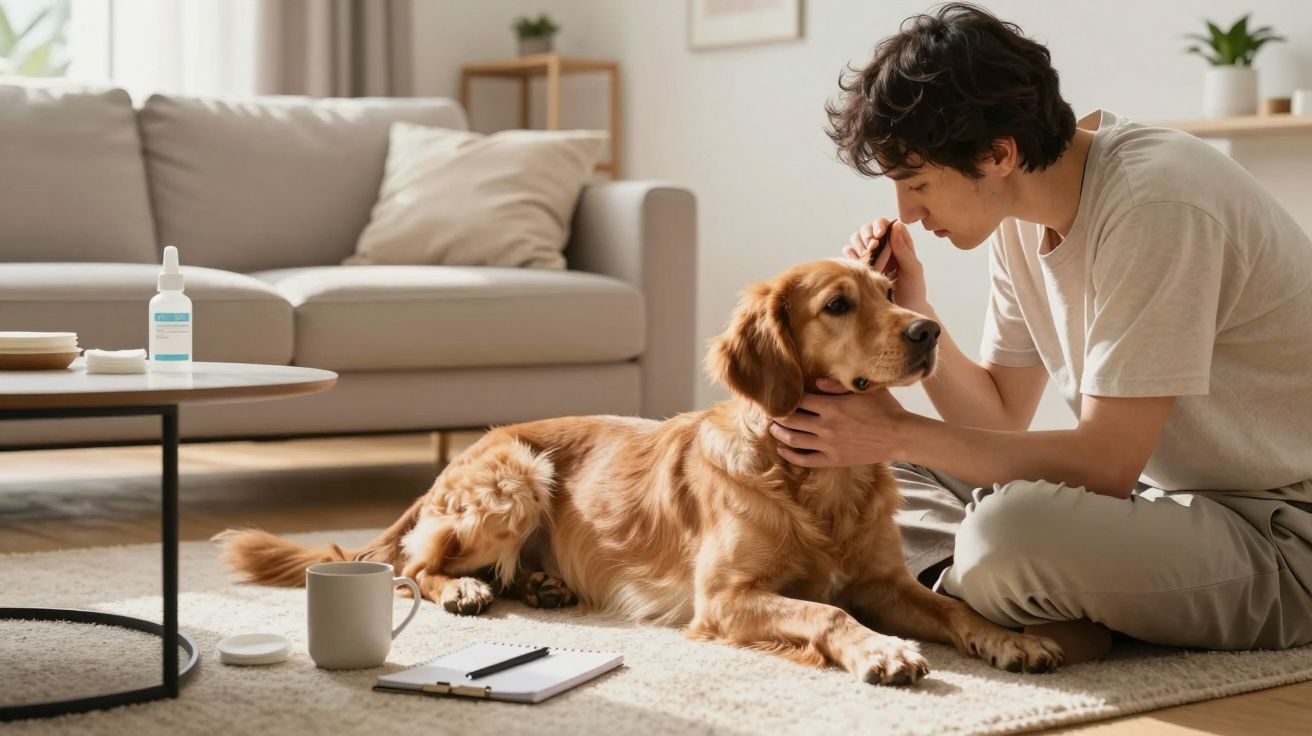
Set aside three minutes once a week, ideally when your dog is calm - after a walk, on the sofa, or while they’re half‑dozing on the kitchen floor. The aim isn’t a full groom. It’s a quick, consistent check that builds a baseline in your mind for what “normal” smells and looks like on your dog.
Work through the same four steps every time:
Set the scene (30 seconds)
Wash your hands or at least wipe them clean. Sit where you’ve got good light. If your dog is anxious about ears, start with a treat, a chin scratch, and no touching for the first few seconds. Let them know this is gentle time, not wrestling time.Lift and sniff (30–60 seconds per ear)
Gently lift one ear flap so air can move. Bring your nose close, but don’t press into the ear. Take one normal inhale, pause, then a second shorter breath. You’re looking for:- No real smell, or a mild, familiar “dog” scent = likely fine.
- New yeasty, sweet, sour or strong odour = note it. Do the same on the other side. Asymmetry matters: one dodgy ear can cause just as much grief as two.
Look and feel (60 seconds total)
Still holding the flap, use your free hand to:- Look for redness, dark brown or yellow discharge, crusts, or obvious swelling.
- Check the skin on the underside of the flap for tiny scabs, black specks, or greasy build‑up.
- Gently squeeze around the base of the ear. If your dog flinches, yelps, or the area feels hot compared with the other side, you’ve spotted a red flag.
Watch the behaviour (30 seconds)
When you let go, notice their reaction. A comfortable dog will shake once, maybe twice, then settle. A sore dog will keep scratching, rub their head along the sofa, or look at you as if you’ve betrayed them. Those “after‑effects” tell you if your inspection has poked a painful spot.
Three minutes, once a week, writes a quiet story. You learn what your dog’s normal is, so the tiniest twist in smell stands out.
When the sniff test says “see a vet now” - and when it can wait
Not every odd whiff is an emergency. Some can wait a day or two while you book a routine appointment. Others really shouldn’t.
Use this simple map:
Watch and book soon (within a week)
- Mild new yeasty or musty smell, but your dog seems comfortable.
- Slight pinkness, light brown wax, occasional head shake.
- No pain when you touch or lift the ear.
- Mild new yeasty or musty smell, but your dog seems comfortable.
See your vet promptly (within 24–72 hours)
- Strong yeasty, sour or metallic smell that wasn’t there last week.
- Waxy gunk that is dark brown, yellow or sticky.
- More frequent head shaking, scratching, or rubbing along furniture.
- Your dog pulls away or looks worried when you lift the ear.
- Strong yeasty, sour or metallic smell that wasn’t there last week.
Urgent, same‑day or emergency
- Rotten, very strong odour you can smell from a distance.
- Thick discharge, blood, or pus.
- The ear flap is hot, swollen, or balloon‑like (possible ear haematoma).
- Severe head tilt, loss of balance, walking in circles, or rapid eye flicking.
- Your dog is crying, can’t rest, or won’t let you near the ear at all.
- Rotten, very strong odour you can smell from a distance.
Let’s be honest: nobody enjoys a last‑minute dash to the out‑of‑hours clinic. Catching that first shift in scent and behaviour is what keeps more ear problems in the “book a slot” category and out of the “emergency fee” bracket.
How to clean - and when not to
This is where many owners go wrong. A little preventative cleaning with the right product can help. Cotton buds, homemade mixes and over‑cleaning can turn a minor irritation into a full‑blown infection.
Keep your rules boring and repeatable:
- Only use vet‑approved ear cleaners. Look for liquid solutions designed for dogs, not baby wipes, olive oil, or vinegar from the cupboard.
- Follow the “fill, massage, shake” pattern when your vet says cleaning is appropriate:
- Fill the ear canal entrance with cleaner until you see it pool.
- Massage the base of the ear for 20–30 seconds (you’ll hear a squelch).
- Let your dog shake, then gently wipe away the loosened debris from the outer ear with cotton wool or a soft pad - never poke down the canal.
- Do not clean if:
- There is obvious pain, blood, or thick discharge.
- The ear canal looks very swollen or narrowed.
- Your dog has just had ear surgery, unless your vet has given specific instructions.
- There is obvious pain, blood, or thick discharge.
Ear cleaners are for maintenance and mild build‑up, not for curing infection on their own. If the smell has changed sharply, cleaning may temporarily hide the problem from your nose without solving the cause. That’s when professional eyes and sometimes swabs under a microscope matter.
Breeds, allergies and the dogs that need extra sniffing
Not all ears are created equal. A whippet’s open, breezy ear is a different universe from a cocker spaniel’s heavy curtain or a French bulldog’s narrow canal.
Three groups benefit from a stricter, even twice‑weekly sniff routine:
- Floppy‑eared breeds such as spaniels, basset hounds and retrievers. Their ear flaps trap warmth and moisture, especially after swimming or rain‑soaked walks.
- Allergy‑prone dogs - the itchy‑paw, red‑belly types. For them, an ear infection is often a skin allergy wearing a different hat.
- Swimmers and bath lovers, regardless of breed. Water left in the canal is yeast’s favourite hobby.
For these dogs, add a micro‑rule: every time they’ve been soaked - sea, lake, bath or hosepipe - you run the 3‑minute sniff test within 24 hours. If your vet recommends it, you may also use a drying ear cleaner after wet play days to reduce the risk of flare‑ups.
“Time wins when the checks are boring, regular and obvious,” a small‑animal vet in Manchester told me. “The owners who know exactly how their dog’s ears smell on a good day are the ones who catch trouble before it’s cruel.”
| Key point | Detail | Why it matters |
|---|---|---|
| Build a weekly sniff habit | 3 minutes, same steps, same day | You spot tiny changes before they explode |
| Let smell lead the way | Yeasty, sour, or rotten scents flag infection early | Your nose is often faster than your eyes |
| Know your red flags | Pain, strong odour, discharge, head tilt = vet ASAP | Cuts the risk of serious, costly problems |
Making ear checks easy for your dog (and your schedule)
Good routines survive long days and bad weather. Attach your sniff test to something you already do:
- Sunday evening brush? Ears get checked after the tail.
- Post‑walk towel‑off? One ear per paw.
- Monthly flea and worm treatment? Add a longer, more careful check then.
Use short, plain cues: “Ear time, then treat.” Keep it calm, predictable and never rushed. If your dog is nervous, start by pairing gentle head strokes and ear touches with rewards, without lifting the flap for the first few sessions. Build trust before you build inspection.
If multiple people care for the dog, agree one pattern and stick to it. A simple note on the fridge - “Ears checked: [initials] / [date] / any smell? Y/N” - stops everyone assuming someone else noticed that new musty whiff.
FAQ:
- What does a healthy dog ear smell like? Usually, almost of nothing - a faint, warm “dog” scent that doesn’t grab your attention. The key is knowing your own dog’s baseline so any change stands out.
- Should I use home remedies like vinegar or tea tree oil? No. These can irritate the delicate ear canal, especially if there’s already inflammation. Stick to vet‑approved cleaners and prescribed drops.
- Can I prevent all ear infections with cleaning? Not entirely. Allergies, breed shape and underlying skin conditions all play a part. Sensible cleaning, drying after wet walks and regular sniff tests will reduce both the number and severity of problems.
- My dog’s ear smells but looks normal - is that serious? A new, clear odour with minimal visual change is exactly when vets like to see ears. It often means infection is starting but hasn’t yet damaged the skin deeply.
- How often should I do the 3‑minute sniff test? For most dogs, once a week is enough. For floppy‑eared, allergy‑prone or swimming‑mad dogs, add an extra check after heavy rain, baths or beach trips.

Comments (0)
No comments yet. Be the first to comment!
Leave a Comment