The cheap garden mulch that keeps clay soil from cracking and saves you hours of watering
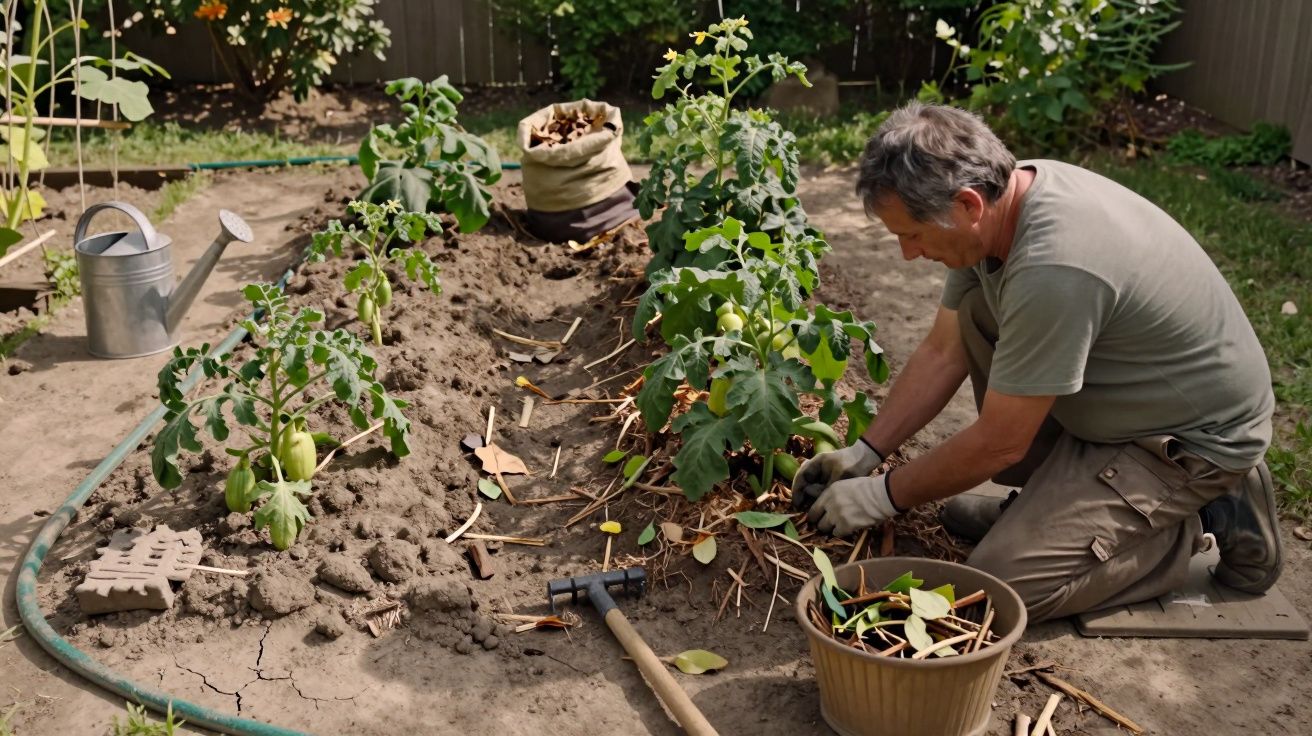
On a hot July afternoon, I watched a neighbour prod her vegetable beds with a fork. The surface was a mosaic of baked plates, each crack wide enough to swallow a seedling. She watered in long, guilty bursts every evening, only to find the top inch wet and the rest stubbornly hard. When she muttered that she needed “better compost” and maybe a new hose, what she really needed was a thin, scruffy blanket on top of the soil. Then it clicked.
Clay doesn’t like to be naked. Left bare, it bakes, splits and sheds water like a tiled roof. Cover it with the right cheap mulch and it behaves like a different material: it drinks slowly, holds moisture days longer and stops gluing itself to your boots.
Rethink mulch: from decoration to working layer
Mulch isn’t just something pretty you scatter at the end. It’s a working layer, like insulation for your soil. Treat it that way and the whole bed changes: water sinks in instead of running off, weed seedlings lose the light they need, and the surface stops turning into concrete after every dry spell.
The trick with clay is to go light and loose. You want a blanket, not a duvet. A 3–5 cm layer of fine, cheap organic material-shredded hedge clippings, rough compost, half‑rotted leaves, even clean cardboard with something over the top-creates shade at soil level and slows evaporation. The roots stay cool, the microbes stay busy, and you stop fighting the same hard crust every week.
Why it works is simple physics and biology. Shade keeps the top centimetre of soil from baking, while the mulch layer breaks the force of heavy rain and watering cans so droplets seep instead of compacting the surface. As the material slowly rots, it feeds worms and fungi that nibble at the clay, opening thousands of tiny channels that hold both air and water. This is about removing the little battles-cracking, capping, endless watering-you stop questioning.
The cheap mulch most gardens are throwing away
In almost every street, the best mulch for clay is already on the kerb: shredded prunings and chopped leaves. Councils pay to cart them off. You pay again to buy bagged bark. Skip the second step.
What to use when money is tight
- Shredded hedge trimmings and small prunings: run them through a shredder or borrow one for a weekend. Soft, mixed greenery and twigs break down steadily and knit into a breathable mat that rain can still pass through.
- Leaf mould and old leaves: bag autumn leaves in bin liners with a few drainage holes, forget them for a year, then spread the crumbly result. On clay, it’s as good as a small dig.
- Part‑rotted compost: not the fine, sieved stuff. The chunky, half‑ready material is perfect on top where its roughness resists compaction.
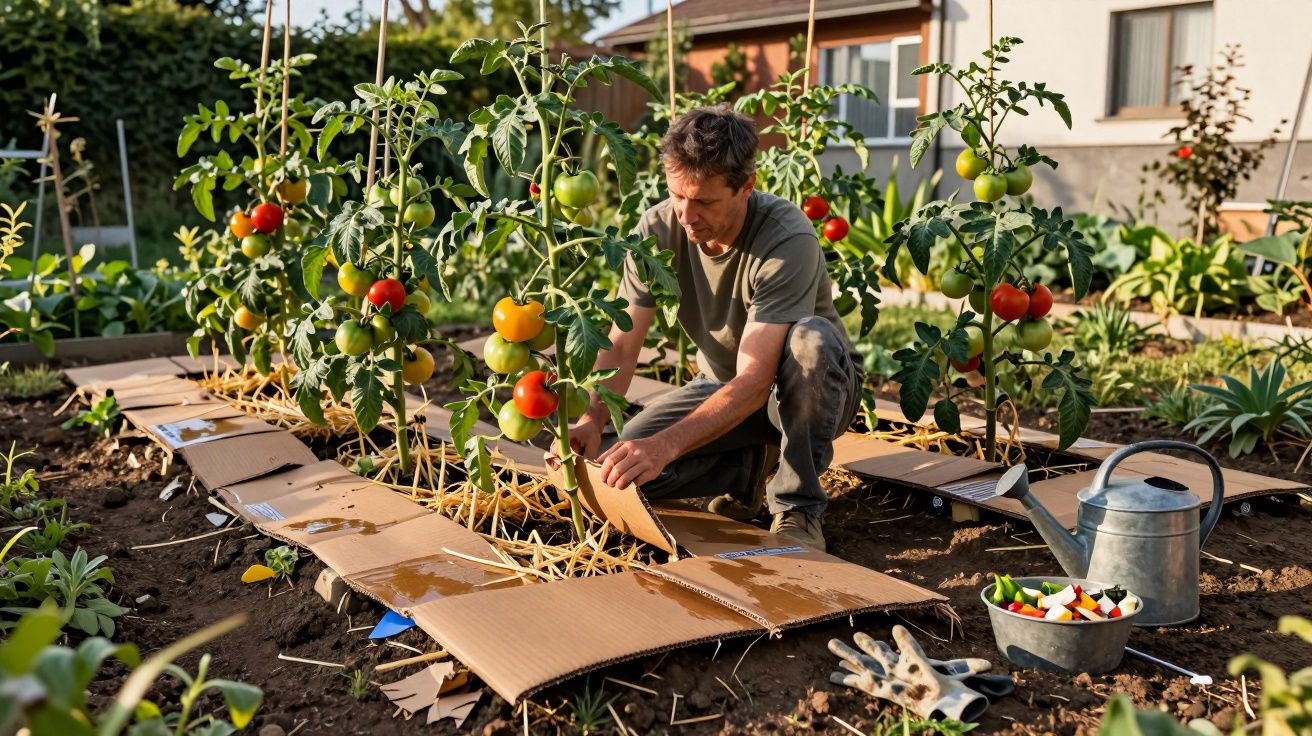
- Cardboard with something over it: plain brown boxes, tape and labels removed, laid in sheets and covered with clippings or compost to hide them. Great for paths and new beds on heavy clay.
Avoid glossy magazine paper, anything with plastic mesh, and thick mats of freshly cut grass. Grass clippings can be gold if mixed with drier material, but as a solid layer they go slimy, anaerobic and slug‑friendly in days.
“Clay doesn’t want expensive products, it wants cover,” said a soil adviser who works on farm clays in the Midlands. “The cheapest mulch is almost always the one you already have.”
Why clay cracks – and how a thin mulch stops it
Clay particles are tiny and flat, like a stack of saucers. When they dry, they shrink; when they get wet, they swell. Bare clay cycles between the two extremes: soaking, then shrinking. The result is deep fissures that snap roots and divert water away from where it’s needed.
A light mulch interrupts the extremes. It keeps the top few centimetres slightly cooler and slightly moister, most of the time. That alone is enough to blunt the dramatic shrink–swell dance. Instead of huge cracks, you get harmless hairlines. Instead of water racing down the gaps and past the roots, it lingers in the root zone where plants can find it.
What the change looks like in a real bed
After six weeks under a cheap organic mulch, clay usually shows three visible shifts:
- The surface colour darkens and stays slightly damp an extra day or two after rain.
- A trowel goes in with less force, and the clods crumble more easily.
- Fine white roots sit higher in the profile because they’re no longer fleeing the heat at the surface.
None of this happens overnight, and it doesn’t mean you never water again. It does mean each watering goes further, and your bed stops behaving like a cracked car park.
How to lay a mulch that saves water, not smothers roots
Think in layers and timing, not in thickness. Too much mulch on newly planted beds can keep the soil cold and slow to warm; too little does almost nothing during a heatwave.
A simple weekend plan
Soak first, then mulch
Water the bed deeply so the top 15–20 cm of soil is moist. Mulch over dry soil and you simply seal in the dryness.Apply 3–5 cm of loose, organic material
Spread shredded clippings, leaf mould or rough compost in a thin, even layer. You should still be able to see the outline of the soil if you part it with your hand.Keep stems clear
Pull mulch back 5 cm from the base of each plant to avoid rotting collars and encouraging slugs right at the stems.Top up lightly through summer
When you notice the layer thinning to less than 2 cm, add another sprinkle. Little and often beats one huge dump that repels water.Let worms do the mixing
Resist the urge to dig the mulch in every few weeks. On clay, repeated digging can smear and re‑compact the structure you’re trying to build. Let the life in the soil drag it down over time.
Do less, sooner: a thin layer in late spring prevents far more problems than a thick emergency mulch in August.
Quick comparison of common cheap mulches
| Material | Best for clay? | Things to watch |
|---|---|---|
| Shredded prunings + leaves | Excellent | Avoid thick woody chunks that form air gaps |
| Part‑rotted compost | Very good | Don’t pile against stems or trunks |
| Grass clippings (mixed in) | Useful in blends | Never use as a solid, wet mat |
Little systems that halve your watering time
Mulch works best as part of a simple routine, not as a one‑off rescue. A few small systems turn it into an automatic water saver.
- Mulch as you prune: keep a lidded trug or bin near the borders. Every time you clip or deadhead, chop the soft material roughly with secateurs straight into the bin. Once it’s half full, spread it immediately around thirsty plants.
- Catch leaves where they fall: instead of raking everything onto a path and binning it, brush leaves under shrubs and hedges to act as an instant woodland floor.
- Mulch paired with slow watering: use a cheap soaker hose or a watering rose on low pressure. Water slowly under the mulch so it seeps in rather than bouncing off the surface.
- Dedicated “mulch stash” corner: one pile of rough compost, one sack of old leaves, one bin of shredded prunings. Having it within arm’s reach means you actually use it after planting.
When mulched beds need water, they tell you more gently: plants flag later in the day, and the soil under the mulch is cool to the touch even when the path is hot. Instead of nightly panic watering, you shift to one or two deep sessions a week in dry spells.
Starter zones and quick wins
If mulching the whole garden feels like too much, start where clay hurts you most: beds that crack, pots that dry in a day, or new trees you worry about every time the forecast shifts.
- Around fruit trees and shrubs where you can’t easily replant.
- In veg beds with thirsty crops such as tomatoes, courgettes and beans.
- In narrow borders by fences and walls where rain is already limited.
Aim for one small area you can finish in 30 minutes. Live with it for seven days and notice how often you walk past and don’t feel compelled to water.
Simple home checklist
- One source of cheap organic matter (clippings, leaves, rough compost).
- A rake and a bucket or trug.
- A habit: “water deeply, then mulch lightly” every time you plant.
FAQ:
- Won’t mulch make my clay soil stay wet and sticky in winter? A thin organic mulch moderates extremes rather than trapping water. On heavy sites, keep the layer closer to 2–3 cm over winter and pull it back slightly from crowns and low‑growing perennials to avoid soggy collars.
- Can I use decorative bark as my main mulch on clay? You can, but coarse bark on its own is slow to break down and can shed light rain. Mixing in some finer material-compost, leaf mould or shredded prunings-helps it “knit” to the soil and do more than just look tidy.
- Is cardboard safe on vegetable beds? Plain, brown, non‑waxed cardboard without heavy inks is fine as a weed‑suppressing underlayer. Lay it on moist soil, overlap edges, and cover with 3–4 cm of organic mulch so it breaks down quietly over a season.
- How soon will my clay actually improve? Surface behaviour-less cracking, kinder watering-changes within a few weeks of consistent mulching. Deeper structure shifts over one to three years as roots and soil life work the organic matter down.
- Do I still need to dig manure into clay if I’m mulching? Occasional additions of well‑rotted manure help, but yearly deep digging is not essential and can even re‑compact clays. Many gardeners now rely on surface mulches plus minimal disturbance to build a looser, darker top layer over time.


Comments (0)
No comments yet. Be the first to comment!
Leave a Comment