The myth about closing interior doors in a blackout that safety officials want to correct
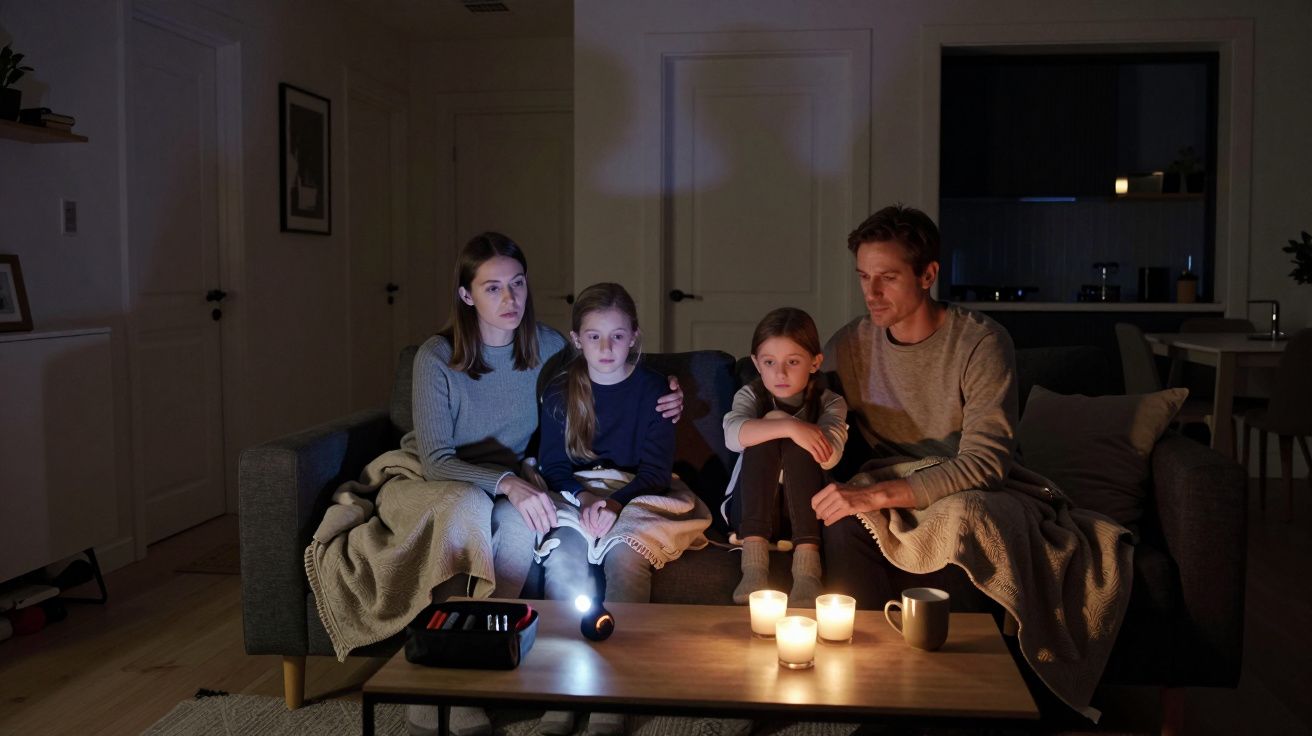
The lights go out, the street glow dies, and your house folds into a kind of quiet you can hear. Somewhere, a neighbour’s torch flicks on, someone else’s phone screen flares, and you remember half a dozen scraps of advice you’ve picked up over the years. One of them is probably this: “Shut all the interior doors. It keeps the heat in and makes the house safer.”
It sounds reasonable, like putting a lid on a pan. In a winter power cut, people herd kids, grab candles, and go on a door‑slamming tour of the house, believing they’re doing the right thing for warmth and safety. Fire and safety officials would like a word. In a blackout, closing every internal door is not the cure‑all people think it is, and in some cases, it makes the situation riskier, not safer.
Why the “shut every door” rule doesn’t work the way you think
Interior doors can slow fire and smoke, and they do help with heat retention - but only when you use them with some thought. Treating “close everything” as a blanket rule ignores how modern homes actually behave in a power cut. You’re not just managing warmth. You’re managing exits, sight lines, trip hazards, candles, gas appliances, and carbon monoxide risk, often in a house that’s now full of moving people and low‑level light.
Investigations after storms and widespread outages keep turning up the same pattern. People shut themselves into “warm rooms” with portable heaters, candles or a camping stove, and then crack a window because it feels stuffy. The rest of the house becomes a maze of closed doors. If a fire starts, or fumes build, you’ve made it harder to notice early and harder to move around quickly.
Here’s the uncomfortable bit. A closed hollow‑core bedroom door does very little to hold heat for long, but it can do a lot to delay the smell of burning or the sound of a problem. If you combine that with improvised lighting, unfamiliar torch beams, and children or older relatives in the house, you’ve quietly traded a bit of theoretical warmth for a lot of practical risk.
What safety officials actually recommend instead
Safety teams don’t say “never close doors”. They say: close the right doors, for the right reasons, at the right time. Think of your home in zones, not as a collection of boxes to be sealed. The goal is to keep people warm and together, keep escape routes simple, and keep any risky activity contained and visible.
Most guidance across UK fire and resilience services boils down to three moves in a blackout:
- Pick one main “live” zone where people will gather and sleep if needed.
- Keep escape routes - especially stairs, halls, and doors to the outside - clear and easy to open.
- Be choosy about which doors are shut, and re‑check them if you start using candles, stoves or generators.
Instead of racing around closing everything, take thirty seconds to map your plan: where you’re going to sit, where you’d go if you had to leave quickly, and which room, if any, is housing extra risk (like a log burner, gas hob, or portable heater). Doors then become tools, not reflexes.
How to use interior doors wisely during a power cut
When the lights go, your first instinct can be a calmer one. Pause, breathe, and then work through the house with purpose rather than panic. A smart routine looks less like battening down the hatches and more like trimming a sail.
Start by gathering everyone into one or two adjacent rooms where you can manage light and warmth together. Shut unused rooms off these spaces, especially draughty spare bedrooms or bathrooms you’re not ducking into every few minutes. That helps cut down on cold air without turning the whole home into a corridor of obstacles.
Leave doors on your main escape routes either open or lightly closed and easy to swing with one hand. If you know you tend to “lock” handles when you’re stressed, say out loud which doors are staying free so everyone hears it. Where you are using higher‑risk kit - a log burner, big candle cluster, camping stove - keep that room’s door mostly closed but never sealed with towels or tape unless there’s specific official advice to do so. Someone should be awake, present and checking it regularly.
“Closed doors are brilliant in a fire, but they’re not cosy blankets,” one fire officer in Yorkshire put it. “You want them between you and the danger, not between you and the exit.”
- Close doors to the coldest, unused rooms to slow draughts.
- Keep the route from your “live” room to the front and back doors simple and obvious.
- If you’re shutting a door on a room with flames or fuel, stay alert and never fall asleep with it unattended.
The warmth myth, and what actually keeps you comfortable
Part of the reason the “shut everything” idea sticks is simple: we all hate being cold. There’s a nugget of truth: smaller spaces are easier to warm, and door gaps do leak heat. But in the short, sharp window of a typical UK blackout, clothing, shared body heat, and what’s under your feet do more work than a door that doesn’t quite meet the carpet.
Think of heat like water in a sponge, not gas in a balloon. It seeps through walls, floorboards, and ceilings more slowly than it rushes under a door. Closing every door in a leaky, uninsulated house gives you the comforting sense of control without fixing the bigger leaks. Meanwhile, you’re now hunting for torches and loo rolls in a series of dark little boxes.
A better trade is this: close just enough doors to create one snug core, then invest your effort in layers. Put on hats, socks, and a jumper, lay a blanket or duvet over knees and shoulders, block obvious draughts at exterior doors with a rolled towel, and get everyone in that core space together. The heat you keep inside your clothes is far more reliable than what you think you’ve trapped behind a dozen doors.
When closing doors really does matter
There is one part of the old advice that safety officials want you to keep - but for a different time of night. Once you’re going to sleep, especially if power is still out and the house is full of candles, torches or battery packs, then closing bedroom doors becomes a fire safety win again.
Modern “Close Before You Doze” campaigns are based on grim but clear evidence. In real house fires, a shut bedroom door can dramatically slow flames and toxic smoke, buying you crucial minutes to wake, orient yourself, and escape or wait for help. That’s true in a blackout or under normal lights, and it’s why fire services keep repeating it.
The key distinction is this: doors that are deliberately closed for overnight fire protection must sit alongside other good habits - candles fully out or removed from bedrooms, plug‑in heaters switched off at the wall, and clear floor space near doors so you’re not tumbling over shoes and washing in the dark.
| Situation | What to do with doors | Why it helps |
|---|---|---|
| First hour of a blackout | Close unused cold rooms, keep escape routes easy | Balances comfort with safe movement |
| Using candles / stoves | Keep that room supervised, door mostly closed, exits clear | Contains risk without trapping people |
| Going to sleep | Close bedroom doors, switch off heaters and candles | Slows fire and smoke spread at night |
Small habits that make blackouts safer and less stressful
Like most safety advice, the ideas that actually work are boring on paper and brilliant in the moment. The best time to think about all this is before your next outage, when you can still see the stairs properly and the kettle is humming.
Build a tiny “lights‑out drill” with your household. Once a year, walk your home as if the power has failed: where would you gather, which doors would you shut, what would you trip over? Move clutter, especially near top and bottom of stairs, and agree a simple phrase like “front door route stays clear” that everyone understands.
Keep a small blackout kit in one known spot: torches or head torches, spare batteries, a battery pack, a lighter for candles if you use them, and a printed list of emergency numbers. When the real darkness arrives, you’re not rummaging through drawers with a phone at 3%. The less flustered you are, the less likely you are to slam every door in sight just to feel you’re doing something.
- Establish one main “live” room for power cuts and know which doors you’d shut around it.
- Clear your escape routes now, before you need them in the dark.
- Treat interior doors as tools: use them to shape space, not as a universal shield.
FAQ:
- Should I close all my interior doors as soon as the power goes out? No. Close doors to unused, draughty rooms to help with warmth, but keep main escape routes easy to see and move through. Focus on safe movement and supervision of any open flames or heaters.
- Is it safer to sleep with bedroom doors closed during a blackout? Yes. Sleeping with bedroom doors closed can slow the spread of fire and smoke, giving you more time to react, provided you’ve turned off heaters and fully extinguished candles before bed.
- What about keeping heat in one “warm room”? That can help, but it’s more effective to wear warm layers and gather people together than to seal every other room. Close the door to your chosen room, but leave routes to the exits simple and familiar.
- Can shutting doors trap smoke or carbon monoxide with us? If you’re using fuel‑burning kit indoors without proper ventilation, that danger exists whether doors are open or closed, which is why safety officials say: no barbecues or camping stoves inside, ever. Use carbon monoxide alarms and follow appliance guidance.
- What’s the single best preparation I can do before a blackout? Clear your escape routes, check your smoke and carbon monoxide alarms, and agree a simple plan for which room you’ll gather in and which doors must stay easy to open. That way, any door you close is part of a plan, not a guess.
Comments (0)
No comments yet. Be the first to comment!
Leave a Comment