The overlooked sign in your fingernails GPs say can hint at hidden anaemia
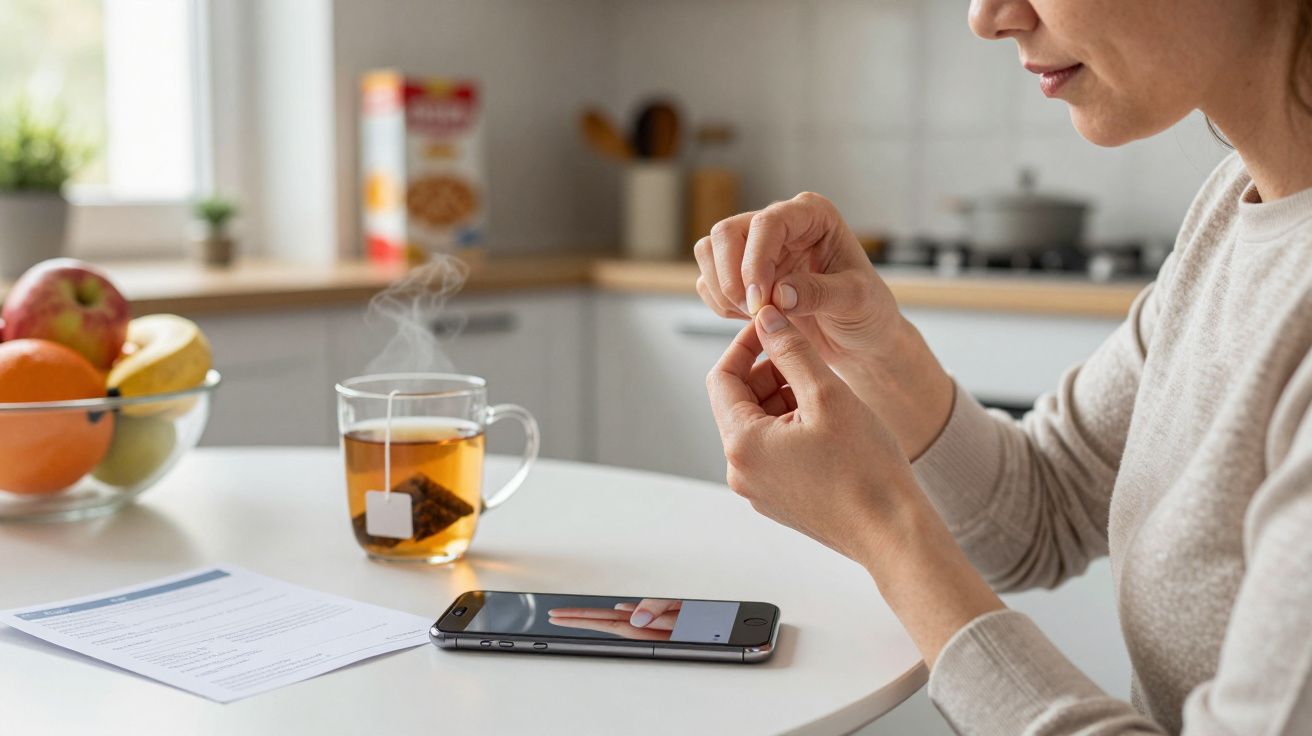
You notice it in the queue at the chemist, or while scrolling on your phone: your nails look oddly pale, the half-moons have blurred, the usual pink flush has faded to a washed-out beige. You tap the screen, flex your fingers, tell yourself it’s the lighting. Then you see them again in daylight and they still look… drained. There is a quiet clue hiding in that colour.
In a GP surgery in Leeds, a doctor holds a hand under the desk lamp, comparing one fingertip to another. No gadgets, no prick test yet, just a calm, practised glance at the nail bed. He presses lightly until the nail blanches, then lets go and watches the pink return. Slow refill, milky tone, a patient complaining of feeling “tired all the time”. Before the blood form is even printed, anaemia is on his list. One small sign has nudged the whole consultation.
Your nails are not a diagnosis on their own. But the shade beneath them can be an early whisper that your red blood cells are struggling long before breathlessness or chest pain shout for attention. Learning what to look for doesn’t replace a doctor; it helps you know when not to ignore yourself.
What your nails quietly say about your blood
Healthy nail beds usually carry a steady, soft pink, deepening towards the fingertip. That colour comes from the blood flowing through tiny vessels just under the nail plate. When iron is low or red blood cells are scarce, that flush can fade to a flatter, almost chalky tone. It is subtle. Under supermarket strip lights, nearly everything looks pale.
GPs don’t use nail colour in isolation; they pair it with your story. Are you exhausted climbing stairs you used to skip up? Do you feel light‑headed when you stand? Has your skin tone shifted greyer or more sallow, especially around the lips and inner eyelids? The nails become one more tile in a small mosaic pointing towards hidden anaemia.
Here is the nuance. Cold fingers, darker skin tones, and normal variations mean some people naturally have paler or browner nail beds. What matters is change over time. Nails that you remember as rosier last year, now constantly washed out, deserve a mention at your next appointment. A phone photo in good daylight, taken now and again later, can show that shift more clearly than your memory.
GPs look for patterns, not perfection: persistent nail-bed paleness plus tiredness, breathlessness, or frequent headaches is worth a blood test, even if everything “sort of looks normal” to you.
The simple checks doctors still use
There is a reason medical students are still taught to look at fingers and eyes before they look at lab results. You can try a few of these observations at home, not as a self-diagnosis, but as prompts to seek proper advice sooner rather than later.
- The nail blanch test: In good natural light, press the tip of a fingernail until it goes white, then release. Colour should rebound within a couple of seconds. Very slow or barely-there pinking, especially on several fingers, can support the suspicion of anaemia or poor circulation.
- The “inside eyelid” check: Gently lower your bottom eyelid in front of a mirror. A healthy inner lid usually looks salmon-pink. If it appears very pale or almost grey, that is another common sign GPs note.
- The spoon‑nail clue: In more advanced iron deficiency, nails can thin and curve upwards at the edges, forming a shallow spoon (koilonychia). This is less common but quite telling when present.
None of these replace a full blood count. They are quiet early‑warning signals, the kind of observations that can turn a “let’s keep an eye on it” into “let’s book that blood test this week”.
Why anaemia hides so easily
Anaemia is simply a shortage: too few red blood cells or not enough haemoglobin in them to carry oxygen efficiently. The causes range from low iron intake to heavy periods, pregnancy, gut conditions that block absorption, chronic kidney disease, or small but ongoing blood loss higher up the digestive tract. It creeps rather than crashes for most people.
Your body adapts at first. You slow down slightly, breathe a touch faster on hills, reach for another coffee in the afternoon. Weeks turn into months and tired becomes normal. Many patients tell their GP, “I thought I was just unfit,” or “That’s perimenopause, isn’t it?” by the time they finally book in. The nails have been pale for a while by then; they just weren’t invited into the conversation.
The danger in shrugging it off is not only feeling dreadful. Very low haemoglobin can strain the heart, worsen existing conditions, and in pregnancy affect both mother and baby. On the other hand, mild iron deficiency, caught early, often responds well to simple measures: targeted supplements, treating heavy periods, checking for coeliac disease or other sources of blood loss.
Think of nail paleness as a gentle tap on the shoulder, not a siren. It says, “Ask why you feel this flat,” not “Panic now.”
Common clues that travel together
Nails rarely complain alone. If they are signalling a problem, other symptoms often line up quietly beside them.
- Feeling wiped out despite decent sleep, especially by mid‑afternoon.
- Shortness of breath or a racing heart on modest exertion.
- Frequent headaches, brain fog, or difficulty concentrating.
- Dizziness when standing, or a sense of being “on the edge of fainting”.
- Restless legs, strange cravings for ice, paper or soil (pica), or hair shedding more than usual.
On their own, each complaint is vague. Together with noticeably pale nail beds, they make a stronger case for checking your blood. Your GP will usually order a full blood count and, if needed, iron studies, B12 and folate levels, and sometimes tests to look for bleeding or absorption problems.
When a nail change means something else
Not every odd-looking nail points to anaemia. Some changes are local, caused by life happening literally at your fingertips.
Repeated trauma from manicures, acrylics, or long-distance typing can leave nails ridged, patchy, or temporarily paler in spots. Fungal infections can yellow, thicken or crumble the nail, usually beginning at one edge. Certain medications and systemic illnesses can cause small red or brown streaks, or clubbing where the nail curves more around the fingertip.
The sign GPs quietly watch for with anaemia is more global and uniform: several nails with the same washed-out bed, not one problem nail. The surrounding skin may also look paler, the creases in your palms less red, the lips less bright. If only one nail is involved, or there is pain, swelling or obvious damage, your GP or pharmacist may suspect other causes such as infection, psoriasis, or trauma.
A good rule: if nail changes appear suddenly, are accompanied by pain, dark streaks, or look dramatically different on one digit, get them assessed promptly. If they creep in over months, alongside tiredness and breathlessness, book that review too-but for a broader health check, not just a nail issue.
A quick guide to what to do next
You don’t need to memorise every possible nail pattern. You only need a simple plan.
| Situation | Likely next step |
|---|---|
| Several nails look uniformly pale, you feel unusually tired | Book a routine GP appointment and mention nails, tiredness, breath |
| One nail looks odd, painful, or infected | See GP or community pharmacist for local assessment |
| Nail paleness with chest pain, severe breathlessness, or fainting | Seek urgent medical help (999 or A&E) |
Bring a short note to your appointment. Jot down when you first noticed the change, any periods of heavy bleeding (including menstrual history), weight change, change in bowel habit, or long‑term medications like NSAIDs that can irritate the gut. It makes it easier for your GP to spot patterns, and for your nails to be heard as part of the story.
Small, practical steps while you wait
If you suspect anaemia, do not start high‑dose iron on your own “just in case” without blood tests and medical advice. Unnecessary iron can irritate your gut and may mask the cause if the real problem is ongoing blood loss. What you can do is steady, gentle support while you wait for proper checks.
Focusing your meals on iron‑rich foods is safe for most people: lean red meat in moderation, lentils, beans, dark green leafy vegetables, eggs, fortified cereals. Pair plant‑based iron with vitamin C (citrus, peppers, berries) to help absorption. Keeping tea and coffee away from main meals by an hour or two can prevent them interfering too much with iron uptake.
Notice your energy budget. If you are waiting for tests, be kinder with tasks that leave you breathless. Swap high‑intensity workouts for gentler movement, share lifting and heavy chores where possible, and make sleep a priority rather than an afterthought. You are not being lazy; you may simply be running on fewer red blood cells than you should.
“People often apologise for coming in with tiredness,” one GP in Manchester said. “But turning a pale nail into a full blood count is exactly how we catch silent problems before they roar.”
FAQ:
- Does pale nail colour always mean I’m anaemic? No. It can reflect normal variation, cold hands, or lighting. It becomes more relevant when it is a clear change from your usual and appears alongside tiredness, breathlessness or other symptoms.
- Can I check for anaemia at home? Not reliably. Nail and eyelid checks can raise suspicion, but only a blood test can confirm anaemia, its type, and its cause. Home finger‑prick kits vary in quality and do not replace a GP assessment.
- How quickly will my nails change back if anaemia is treated? Many people notice more colour and strength returning over several weeks once iron levels are corrected, but nails grow slowly. Expect months, not days, for a full cosmetic change.
- Is it safe to start iron tablets without tests? It is better not to. Iron can upset your stomach and may disguise ongoing blood loss. Always speak to a GP or pharmacist before starting supplements, especially if you have other conditions.
- When should I worry enough to seek urgent help? If nail paleness is accompanied by chest pain, severe breathlessness, black or bloody stools, vomiting blood, or collapsing, call 999 or go to A&E immediately. Those can signal severe anaemia or other serious problems.



Comments (0)
No comments yet. Be the first to comment!
Leave a Comment