The tiny mark on some old coins that can multiply their value tenfold
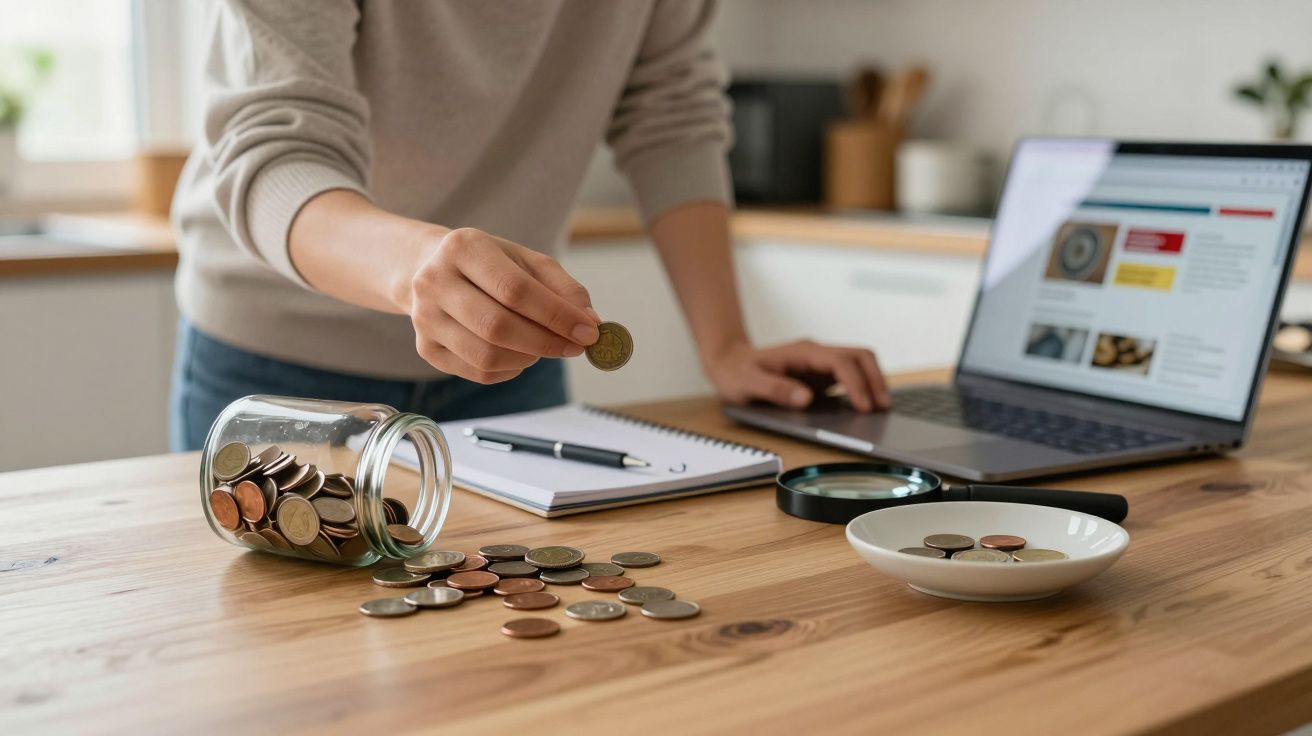
You tip a jar of loose change onto the table. It’s the usual mix: dull copper, tired silver, a couple of foreign strays. Somewhere in there, hidden in dates and tiny letters, might be the difference between 50p in scrap and £500 at auction.
The shock is not that rare coins exist. It’s that some of them sit in our homes, on window ledges and in biscuit tins, made special not by gold or age, but by a single, almost invisible mark.
The “nothing” detail that changes everything
Coin collectors do not just look for old dates and shiny metal. They go hunting for mint marks and small design quirks: a tiny letter under the date, a slightly different portrait, a missing line in a shield. To most eyes, they look like printing noise. To the right buyer, they are a beacon.
A coin that spends 30 years in a glove box can jump from pocket change to four figures, purely because of a 2 mm symbol.
Take British pre‑decimal pennies. Millions were struck, most worth little more than their metal. Yet a 1933 penny with the right minting details is so scarce that museums compete for them. On more modern ground, some 50p pieces – “Kew Gardens” is the famous one – turn up in change and regularly sell for £150 or more. Same metal, same size, same Queen. The value lives in the small difference.
That difference turns on three things: how many were made, where they were made, and whether something went “wrong” in the die. A tiny letter can reveal a short, experimental run. A missing detail can signal an error that was never meant to leave the Mint. Collectors pay for the story stamped into that extra dot or letter.
How to read a coin like a collector, not a shopper
Most of us glance at the front, maybe the date, and stop. Collectors do the opposite. They start where the eye usually gives up: the edges, the tiny initials, the spacing of numbers. Learning to see these is less about memorising every rare coin, more about changing how you look.
Here is the basic pass you can make over any coin at home:
- Check the date and denomination. Look especially at years people hoarded (jubilees, royal events) or years that feel “missing” in your memory.
- Scan the edges and under the portrait. Tiny letters can show where and how it was minted.
- Compare to a normal example. Two 10p pieces from the same year that do not quite match are worth a closer look.
- Look for errors. Off‑centre strikes, doubled lettering, or missing details often indicate a short, collectible run.
The trick is repetition. The first few times, everything looks identical. Then, one evening, you notice that one old 2p has a different “NEW PENCE” wording when the others say “TWO PENCE”. That is the moment a hobby starts.
“Once you’ve trained your eye, you start seeing coins as editions, not just money,” says Mark, a part‑time dealer in Nottingham. “The odd ones jump out.”
Tiny marks that quietly multiply value
Every country has its own code, but the pattern repeats: a discreet mark that changes the maths. In the UK and beyond, three kinds show up again and again.
- Mint marks: small letters or symbols that show where the coin was struck. A branch mint that worked for only a short period can make its output much scarcer.
- Designer initials: letters near the neck or at the base of a design. A change of designer can create a short overlapping period where both versions exist.
- Error and variety marks: extra dots, missing initials, or altered lettering from re‑engraved or worn dies.
None of these is magical alone. A rare mint mark on a very common year may still be only modestly valuable. Combine a short production run, a popular theme – say, an early commemorative – and an error that was quickly corrected, and you have a coin that can jump from face value to several hundred pounds.
Think of it as limited editions no one advertised. The Mint did not send a press release when a tiny die crack appeared in position of the date. They simply fixed it later. The small number that escaped become the underground “first pressing” of the coin world.
A ten‑minute check you can do at your kitchen table
You do not need a magnifying glass and white gloves to start. You need a flat surface, decent light and a little patience. Treat it like a short ritual rather than a marathon sort.
- Tip your old coins onto the table and make rough piles by denomination.
- Pick one pile – say, 50p pieces or old pennies – and line them up by date.
- Within a single year, compare details: lettering, design elements, tiny marks.
- Put anything that looks different into a small separate dish or envelope.
- When you are done, look those few outliers up on a reputable coin site or price guide.
Keep the bar low: ten minutes, one type of coin, once in a while.
The point is not to turn you into a dealer overnight. It is to give your coin jar a chance to speak before you feed it into a supermarket machine.
Pitfalls to avoid when you think you’ve found a winner
Excitement turns minor quirks into imagined fortunes very quickly. A few gentle checks will keep you grounded and save you from awkward listings online.
Common traps to watch:
- Confusing damage with rarity. Scratches, dents and corrosion usually kill value; they do not create it.
- Believing every online rumour. Social media loves to declare ordinary coins “worth thousands”. Cross‑check with established catalogues.
- Ignoring condition. A rare mark on a heavily worn coin is still collectible, but top prices go to crisp, lightly handled pieces.
- Cleaning coins. Polishing with chemicals or abrasive cloth destroys original surfaces. Collectors can see it immediately – and walk away.
If in doubt, stop short of scrubbing or bending anything “to see”. The best thing you can do for a potentially valuable coin is: store it safely and leave it alone until you have proper advice.
A small hobby that changes how you see loose change
On the surface, this is about money – the possibility that a coin in your drawer is worth ten, fifty, a hundred times its face value. Underneath, it is about noticing again.
Once you learn that a barely visible letter can flip a coin from ordinary to exceptional, every handful of change feels slightly less dull. You might find yourself checking the 50p that lands in your palm on the bus, or turning over an old shilling you almost gave to a child for a school project.
The difference between “just a coin” and “historic little artefact” is often three seconds of attention.
You do not need fancy gear. You need a bit of light, ten spare minutes, and the willingness to look twice at something you thought you already understood. That, in itself, is a kind of value.
Key points at a glance
| Focus | What to look for | Why it matters |
|---|---|---|
| Tiny marks | Mint letters, designer initials, odd dots or missing details | Can reveal short runs and rare varieties |
| Comparison | Same year, same coin, small design differences | Quick way to spot potential value at home |
| Condition | Clean, unpolished, minimal wear | Strongly affects how high a rare coin can go |
FAQ:
- Are all old coins valuable just because they’re old? No. Age helps, but value usually comes from rarity, demand and condition. Many Victorian coins, for example, are still only worth face value in today’s money.
- Do I need specialist tools to start checking my coins? Not at first. Good light and, optionally, a cheap magnifying glass are enough. As you get more serious, a basic coin album and reference book are helpful.
- Can I clean a coin to make it look better for sale? It is best not to. Cleaning often reduces value by stripping original surfaces. Collectors generally prefer honest wear to artificial shine.
- Where should I go if I think I’ve found something rare? Take clear photos and compare with reputable online catalogues, then consult a local coin dealer or numismatic society for a professional opinion.





Comments (0)
No comments yet. Be the first to comment!
Leave a Comment