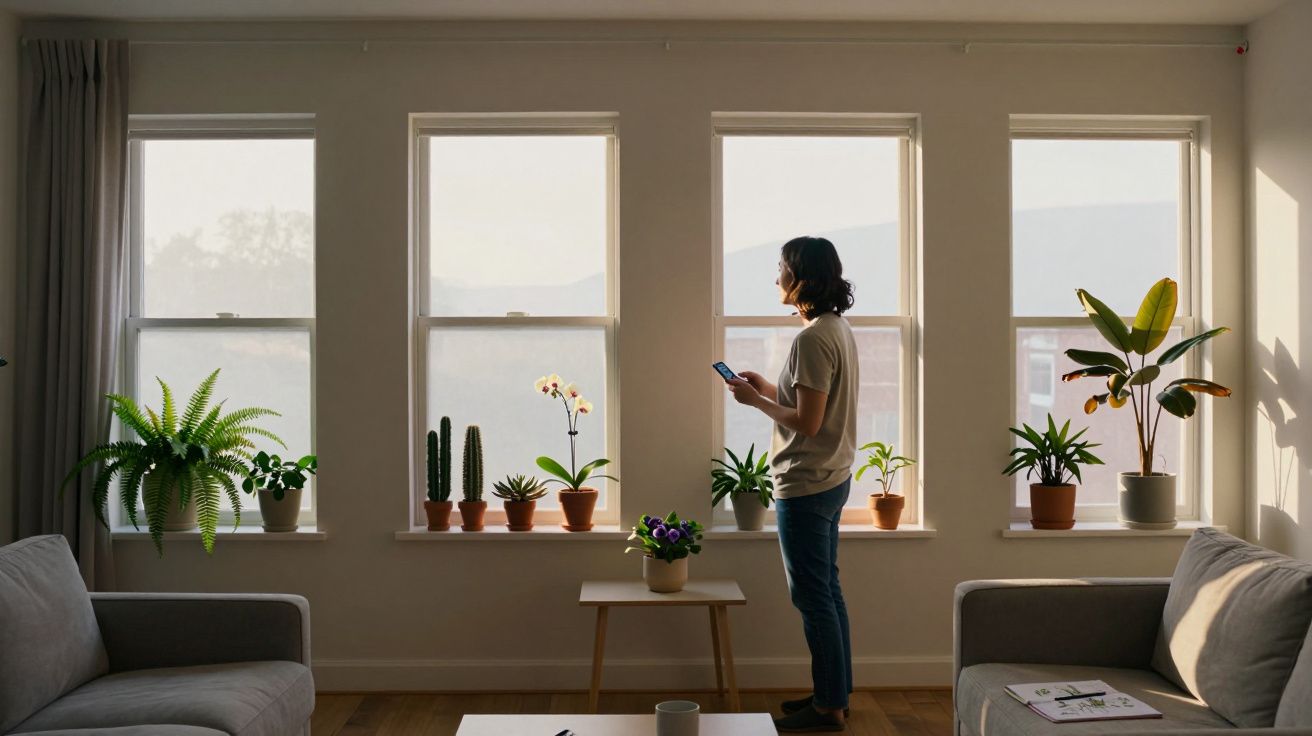
The window orientation that quietly decides which houseplants will thrive and which will sulk, say botanists
The pot is lovely, the plant was not cheap, and for the first week it looked like something out of a design magazine. Then the leaves dulled, a few dropped, and by month three it was in that awkward in‑between state: not dead, not happy, just… enduring.
You water it, then try watering it less. You buy misting bottles, special feeds, maybe even a grow light that hums faintly in the corner. Still, it sulks. The culprit is often not the plant or the care, but the thing most of us treat as a backdrop: the direction of the window.
Light is the currency of houseplants. Not the abstract idea of “a bright room”, but the very specific quality and angle of daylight that each window quietly filters into your home. To a fern or a fiddle leaf fig, a north‑facing bay and a south‑facing sash might as well be different climates.
Why orientation matters more than the label on the pot
Walk into any plant shop and the labels tend to talk in broad strokes: “bright indirect light”, “shade tolerant”, “full sun”. They rarely say, “west‑facing living room, second floor, no nearby trees”.
Outside, the sun arcs across the whole sky; indoors, that arc is chopped into slices by walls and glass. Orientation decides which slice your plant actually sees. A south‑facing window in the UK might deliver hours of strong, almost midday‑like light on a clear winter day. A north‑facing one may never see a direct sunbeam all year.
Botanists think in terms of photons, not vibes. They measure something called PPFD-how many useful light particles hit a given area per second. A shift from south to east can halve that number without you really noticing. To your plant, that is the difference between a leisurely lunch and living off crumbs.
The result is a quiet sorting hat for your greenery. Place the same species around a flat and the ones on the right sill will thrive without drama, while those in the wrong orientation slowly decline, no matter how often you rotate the pot.
North, south, east, west: four different worlds on your windowsill
Most homes in the UK have some mix of orientations. Each creates a distinct microclimate, even within the same room.
North-facing: the gentle, grey studio
North windows in Britain get the softest, most stable light. They almost never see harsh, direct sun, even in midsummer. Think of it as permanent bright shade.
This is paradise for plants that, in the wild, live under canopies: ferns, peace lilies, snake plants, pothos, ZZ plants. They are built for filtered light and tend to resent strong midday beams. In a north‑facing room, they stretch more slowly and keep their leaves lush for longer.
Flowering, sun‑hungry species struggle here. Succulents elongate, leaning desperately towards what little light there is. Herbs become leggy, scented geraniums give up on blooms. You can keep them technically alive, but you’re asking them to live in a permanent November.
South-facing: the glass veranda in August
A south‑facing window is your brightest real estate. On clear days it receives long hours of sun, higher angles and, behind glass, a surprising amount of heat. In a small flat, the sill can become an accidental conservatory.
Cacti, succulents, citrus, rosemary and many Mediterranean herbs love this. They evolved in exposed, sun‑soaked landscapes and rely on that intensity to keep compact and healthy. Give them a north window and they will sulk; give them a south one and they finally behave as the pictures promised.
Tender tropicals can burn here, especially behind modern double glazing that traps heat. Monstera, calatheas and many philodendrons cope better just to the side of a south window than directly on the sill. The light is still strong but softened, more like dappled jungle sun than patio glare.
East-facing: the soft breakfast light
East windows catch the morning sun, then settle into bright but gentler light for the rest of the day. For many houseplants, this is the sweet spot.
The few hours of direct light in the morning are cooler, less harsh on leaves, especially in summer. African violets, orchids, hoyas and many foliage plants will flower or flourish here without the scorch risk of a full south exposure.
For human routines, this often lines up with kitchens or breakfast nooks. The herb pot on the sill, the trailing philodendron by the table, the compact ficus near the door: all can do very well in an east‑facing space that looks, to us, simply “nice and bright over breakfast”.
West-facing: the moody afternoon theatre
West windows are the reverse of east: calm in the morning, then punched by low, warm sun in late afternoon and early evening. In summer, that can mean a short but intense blast of light and heat.
Plants that enjoy sun but can tolerate a bit of drama-jade plants, rubber plants, some begonias-often relish a west exposure. The extra warmth can coax flowering or deeper leaf colours, especially in variegated varieties.
For more sensitive species, that same evening flare can mean crisped edges and faded patterns. If your plant looks fine at 2 p.m. and frazzled by 7 p.m., it may be a west‑light victim. A sheer curtain or placing it a metre back from the glass can turn that harsh closing act into a cosy twilight.
How to read your own home like a botanist
You do not need a lab‑grade light meter to make better choices. A few repeatable checks can tell you most of what your plants need to know.
Start with orientation. Use the compass app on your phone and stand facing the window. Whatever it says is the direction of that light. North and east lean towards softer light; south and west towards stronger.
Next, watch the actual sun. For one clear day, notice when a direct beam touches the sill and when it leaves. Ten minutes of slanted sun in winter is very different from four hours in midsummer. Make a quick note. That “sun calendar” helps you decide whether a plant label saying “full sun” is realistic or wishful thinking.
Finally, use your own body as a sensor. Stand where your plant lives at midday and hold a sheet of white paper. If the light feels bright but you can look at the window comfortably and shadows are soft, that is “bright indirect”. If you squint and shadows on the paper have crisp edges, that is direct sun. Shade‑lovers want the first; sun‑demanders need at least some of the second.
Matching the right plant to the right pane
Once you understand the four orientations, you can stop fighting your home and start playing to its strengths.
- North-facing favourites: ferns, peace lilies, pothos, snake plants, ZZ plants, some philodendrons, cast‑iron plants. These accept low to moderate light and keep their shape without constant pruning.
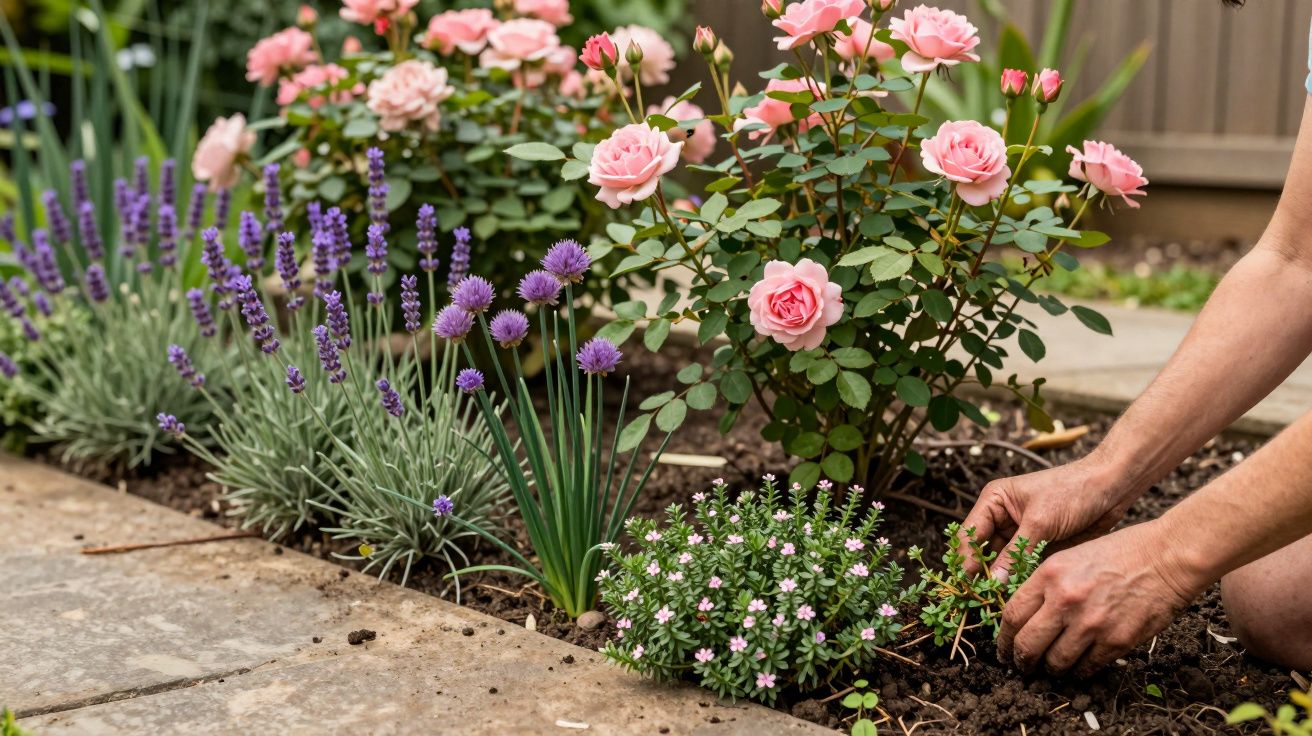
- South-facing stars: cacti, succulents, aloe, jade plants, citrus, rosemary, lavender (with ventilation), geraniums. They want strong, directional light and will become spindly without it.
- East-facing all‑rounders: orchids (especially phalaenopsis), African violets, hoyas, spider plants, rubber plants, many foliage begonias. Morning sun supports flowering without brutal heat.
- West-facing contenders: jade plants, crotons, rubber plants, some ficus species, larger monsteras a little back from the glass. They enjoy a few hours of warmer sun if the room does not overheat.
Some species are astonishingly forgiving. Snake plants will endure north corners, east hallways and even a metre from a south window. Others, like calatheas, are fussy about both light and humidity and prefer bright, indirect spots away from the most exposed panes. When in doubt, err on the side of gentler light and watch how the plant responds over a few weeks.
| Window orientation | Typical light | Plants that usually suit it |
|---|---|---|
| North | Soft, indirect, rarely sunny | Ferns, peace lilies, pothos, snake plants |
| East | Gentle morning sun | Orchids, African violets, hoyas, spider plants |
| South | Strong, long sun (can be hot) | Cacti, succulents, citrus, Mediterranean herbs |
| West | Calm mornings, strong late sun | Jade plants, rubber plants, crotons, larger monsteras (set back) |
Simple tweaks when you cannot change the windows
Not everyone can rearrange an entire room around a ficus. Even small shifts, though, can turn a sulker into a survivor.
Moving a plant just one metre closer to or further from a window can double or halve the light it receives. Placing a shade‑loving plant behind a sheer curtain, or to the side of the frame rather than on the sill, can protect it from leaf scorch on a south or west exposure.
Mirrors opposite a dim window bounce a surprising amount of light back into the room. A north‑facing bedroom with a light wall colour and a well‑placed mirror can feel, to a plant, more like an east‑facing space than a cave.
Artificial grow lights are the last resort, not the default. In a genuinely dark room-basement flats, internal bathrooms with no windows-they can provide a basic daylight stand‑in. Choose full‑spectrum, position them 20–40 cm above the plant, and run them for 10–12 hours a day. Even then, many species will be happier on a bright windowsill elsewhere.
The quiet trick is not to force every species to fit every room, but to curate a few plants that are naturally compatible with the light you already have.
Reading your plant’s body language
When the window is wrong, the plant usually tells you-just not in words.
Leaves that stretch dramatically towards one direction, long gaps between leaf nodes and a general “reaching” look indicate not enough light. Colours fade, variegation disappears and new leaves emerge smaller than old ones.
Too much direct sun shows up as bleached patches, crispy edges or brown spots on leaves that still feel stiff rather than soft and rotten. This is more common in south and west windows, especially if the plant was moved there suddenly from a darker spot.
If you change a plant’s position, do it gradually. Shift it closer to or further from the window over a couple of weeks. Sudden jumps from dim hallways to full southern sun are as shocking for leaves as going from a dark cinema straight into midday glare is for your eyes.
The bigger picture: designing a home your plants can actually live in
Underneath the individual fates of fiddle leaf figs and ferns is a broader, quieter question: are you setting up an environment that works with biology rather than against it?
Once you see windows as microclimates, the background rearranges itself. The bright south‑facing sill stops being an abstract “nice spot” and becomes a precise resource you allocate: herbs here, succulents there, shade‑lovers politely steered towards the north‑facing bedroom instead of doomed to scorch.
The point is not to turn your flat into a greenhouse or to chase perfection. It is to narrow the gap between what a plant quietly needs and what your space can honestly offer. When those two line up-even roughly-watering, feeding and pruning become supporting acts rather than heroic rescue missions.
FAQ:
- How do I quickly find out which way my windows face? Use the compass app on your phone while standing at the window and looking out. The direction shown is the orientation of that window. If you do not have a compass app, note where the sun rises (east) and sets (west) and infer from there.
- Can I grow light‑loving herbs on a north-facing windowsill? They will usually survive but rarely thrive. You may get weak, leggy growth and poor flavour. For basil, rosemary and similar herbs, an east or south window is far better. On a north sill, consider shade‑tolerant herbs like parsley or mint instead.
- Why did my succulent stretch and flop in my “bright” living room? Many UK living rooms feel bright to us but offer far less direct light than succulents evolved with. If the plant is more than a metre from the window or the room is north‑facing, it is likely under‑lit. Move it to a south or west sill and rotate the pot every week.
- My plant’s leaves are getting brown, crispy patches. Is it sunburn? If the plant is on a south or west window and the brown areas face the glass, it is probably light or heat stress. Move it a little back, add a sheer curtain, or shift it to brighter indirect light. If the brown is soft and spreads from the stem, overwatering or rot is more likely.
- Are grow lights a good substitute for a sunny window? They can help in very dark rooms or during winter, but they work best as a supplement, not a full replacement. Choose full‑spectrum lights designed for plants, keep them close enough (but not hot), and give your plants a regular day–night cycle rather than leaving lights on constantly.



Comments (0)
No comments yet. Be the first to comment!
Leave a Comment