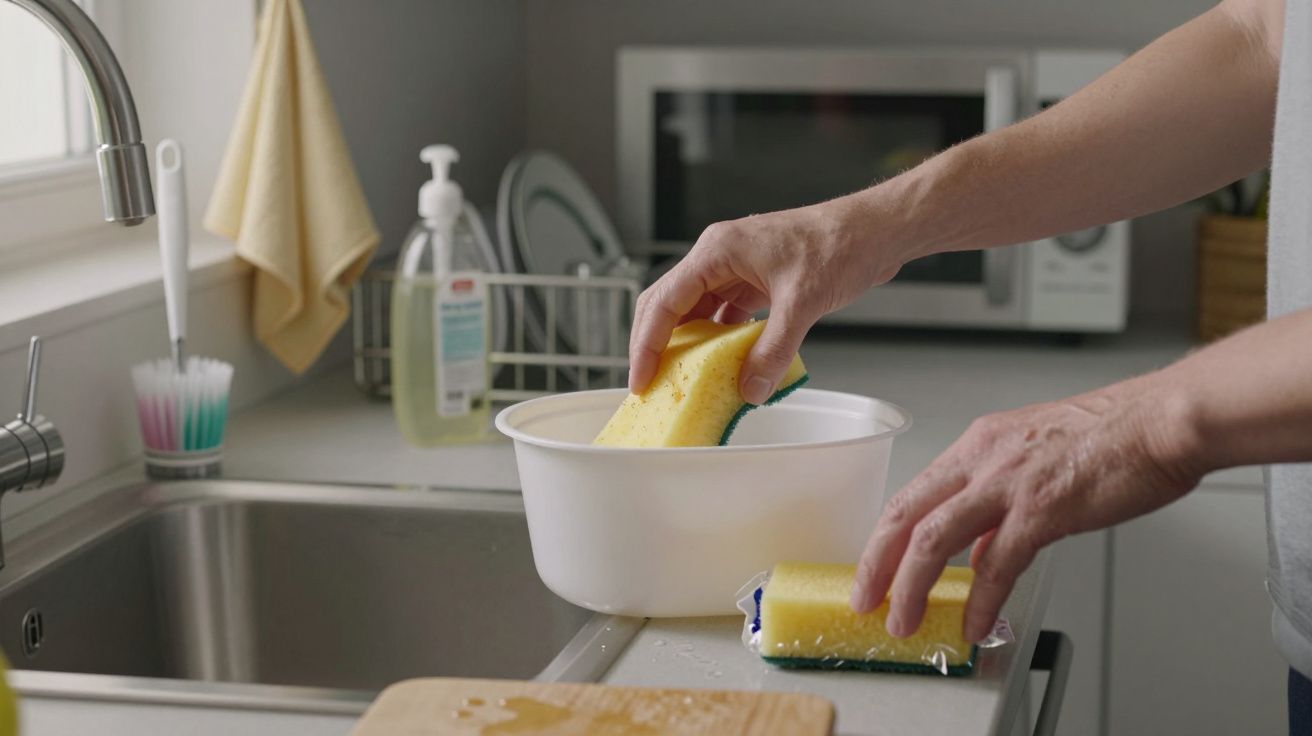
Why microwaving your sponge is no longer recommended – and what hygiene scientists now advise instead
The first time you saw someone microwave a sponge, it probably felt oddly satisfying. A domestic life‑hack that sounded almost scientific: thirty seconds on high, a small puff of steam, and apparently your crusty yellow rectangle emerged “disinfected”. For a while, public health sites and TV experts nodded along. Then the research caught up – and the picture became a lot less reassuring.
If you’ve ever stood in your kitchen, hesitating with a dubious‑smelling sponge in one hand and the microwave door in the other, you’re not imagining it: the advice really has changed. Hygiene scientists are now much cooler on the zap‑your‑sponge routine, not because they’ve suddenly turned against gadgets, but because the data suggest it’s a poor, inconsistent and sometimes risky shortcut.
How the microwave myth took hold
The original idea wasn’t completely made up. Early studies showed that microwaving very wet sponges at high power could knock down the numbers of some bacteria. It sounded like a perfect marriage of convenience and cleanliness: you already own a microwave, it heats things, heat kills germs – what could go wrong?
The problem is that “can work in tightly controlled lab conditions” quietly morphed into “this is a safe everyday household trick”. Those lab sponges were usually new, evenly soaked, and zapped for carefully measured times. Real‑life kitchen sponges are another species entirely: half‑dry, full of grease, food residue and tiny air pockets that heat in strange, uneven ways.
Over time, more nuanced research started to show what microbiologists had suspected: in a typical home, microwaving a sponge isn’t the magical reset button we like to imagine. In some cases, it does very little. In others, it may simply knock out weaker microbes and leave the tougher, more resistant ones behind. That is not the upgrade you want.
Why your sponge is such a perfect little ecosystem
A kitchen sponge is basically a high‑rise block for microbes. It’s warm, moist after use, and full of nooks where crumbs and skin cells can lodge. Every time you wipe a chopping board, rinse a plate or mop up chicken juice, you’re feeding whoever has moved in there with an all‑you‑can‑eat buffet.
Hygiene researchers who have actually swabbed and sequenced sponges in real homes find everything from harmless environmental bacteria to species linked with food‑borne illness. It’s not that every sponge is a ticking time bomb, but the potential is there, especially if you’re cleaning up raw meat, eggs or soil from vegetables.
What makes sponges uniquely troublesome is how rarely we truly reset them. They stay damp between uses, live right by the sink, and we use them across multiple surfaces without thinking much about it. That means microbes aren’t just visiting; they’re competing, adapting and sometimes sharing genes in a way dishcloths that dry thoroughly between uses simply don’t allow.
What the newer research says about microwaving
When microbiologists went back to test the “microwave your sponge” advice under more realistic conditions, a few consistent problems appeared.
First, microwaves heat unevenly. Hot spots and cold spots mean parts of the sponge may get very warm while other areas barely reach temperatures that seriously damage bacteria. Unless the entire structure is thoroughly saturated and heated for long enough, a significant portion of the microbial community can shrug it off.
Second, the organisms that survive aren’t randomly chosen. More heat‑tolerant bacteria are more likely to make it through. Some studies on used kitchen sponges suggest that repeated partial “disinfection” attempts can actually favour these hardier strains. From a hygiene point of view, that’s the opposite of what you’re trying to do.
Third, there’s the safety angle. Microwaving a sponge that isn’t properly soaked can lead to scorching or even small fires. Add in any embedded food fats and the risk goes up. In the worst‑case scenario, you’re left with a half‑burned, still‑microbial brick that smells faintly of melted plastic.
That’s why several food safety and hygiene bodies have quietly stepped back from recommending microwaving as a routine disinfection method. It’s unreliable, hard to standardise, and creates a sense of security that may not be deserved.
The new, less glamorous rule: manage, don’t “rescue”
The modern hygiene message is disappointingly simple: instead of trying to rehabilitate a tired sponge, plan to replace it often and rely more on items that actually dry between uses. It’s less clever than a viral hack, but much more in line with how microbes actually behave.
Think of kitchen cleaning tools as consumables, not heirlooms. A sponge that’s been through weeks of breakfasts, lunches and dinners is not a sentimental object; it’s a biology project. Rather than trying to out‑smart its microbial community with home‑microwave experiments, the safer strategy is to keep that community small and short‑lived.
This is also where “targeted hygiene” comes in. Scientists now emphasise moments and places that matter most – chopping boards, taps, fridge handles, the area where you prepare raw meat – rather than a vague sense that everything everywhere must be constantly sterile. The cleaning tools you use on those high‑risk areas should be under stricter control.
So what should you actually do instead?
Here’s what hygiene scientists and food safety experts tend to suggest now, distilled into small, realistic shifts rather than a complete lifestyle overhaul.
1. Retire sponges early and often
How long a sponge “lasts” is no longer the right question. The better one is, “How long is it safe to keep?” For frequently used kitchen sponges, many experts now talk about changing them at least weekly, and sooner if they start to smell, discolour, or feel slimy.
You can make that easier on yourself by:
- Buying multi‑packs and treating them as semi‑disposable.
- Cutting larger sponges in half so you always have a backup ready.
- Keeping one sponge specifically for high‑risk tasks (like raw meat juices) and discarding it more aggressively.
If you flinch at the waste, remember that a small, regular spend on sponges is still cheaper than a bout of food poisoning.
2. Let things dry – properly
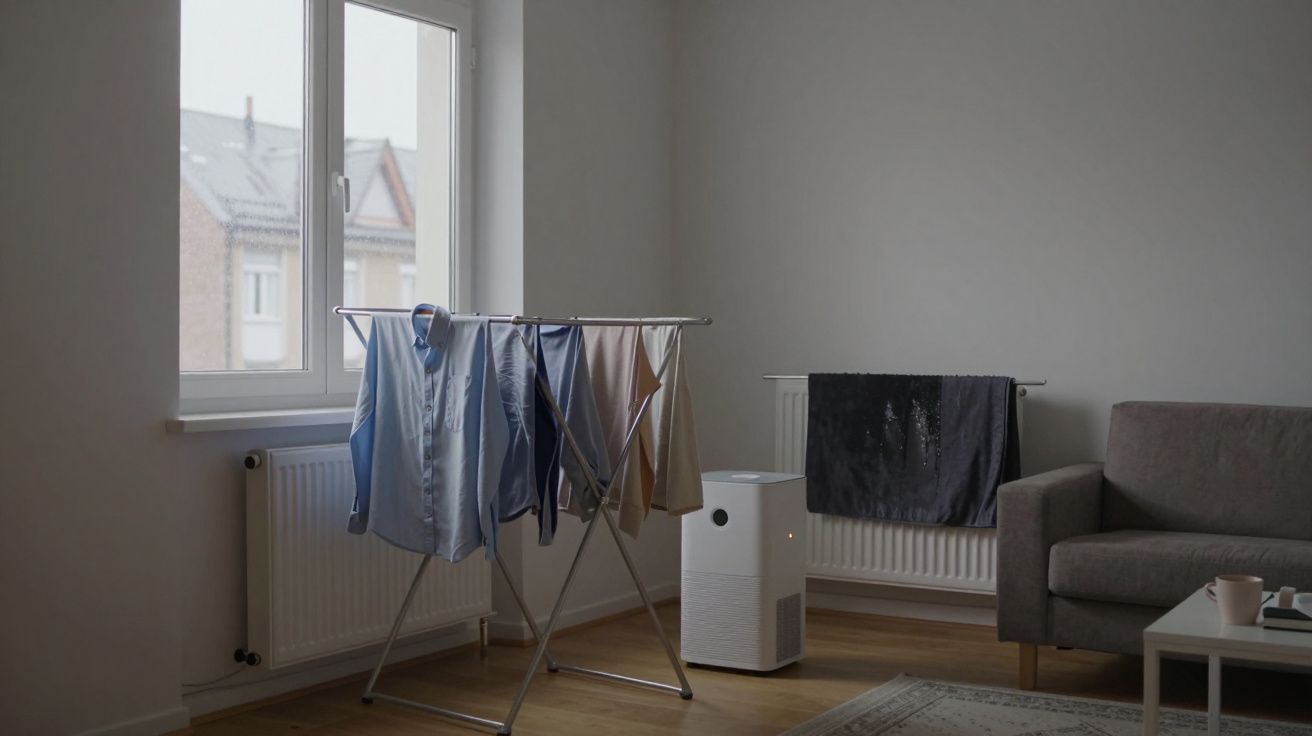
Microbes hate desiccation. One of the simplest, most effective ways to slow their growth is to break the “always damp” cycle.
Try to:
- Rinse the sponge thoroughly after use, squeeze out as much water as you can, and store it in a way that lets air circulate – not flat in a puddle on the sink edge.
- Swap to microfibre cloths or dishcloths for most wiping jobs and hang them up so they dry fully between uses, then wash them at 60°C regularly.
- Avoid leaving any cleaning tool permanently submerged in washing‑up water; that’s more petri dish than cleaning aid.
These habits sound small, but they change the physical environment microbes depend on.
3. Use heat where you can control it
If you really want to use heat as part of your hygiene routine, it’s better to do it in a setting designed for even temperatures.
Options that generally work better than the microwave include:
- Dishwasher with a hot cycle: Many synthetic sponges and cloths can go on the top rack and will get a proper, uniform heat treatment there. Check the packaging first.
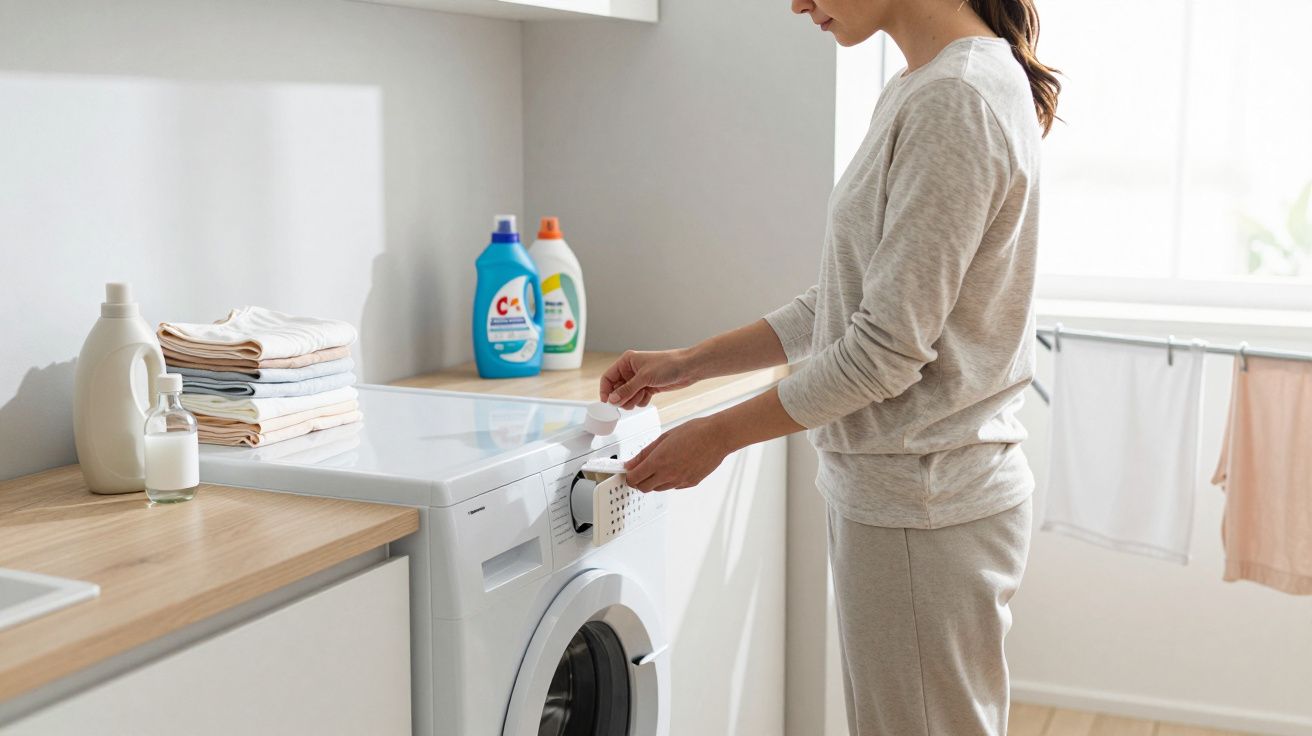
- Washing machine at 60°C: For cloths and some sponge cloths, a full hot wash with detergent does a far more predictable job than a quick zap.
The key difference is that these appliances are engineered to distribute heat and water evenly; a microwave is not.
4. Rethink what you use for what
Not all cleaning tools need to do all jobs. Splitting tasks reduces the chance that the same contaminated sponge is doing the rounds across worktops, sinks and dining tables.
A simple, pragmatic set‑up might look like:
- A dish brush or scrubber for washing up (these usually dry faster and harbour fewer microbes than sponges).
- A microfibre cloth or two for counters and general wiping, washed regularly.
- A small number of cheap sponges reserved for grimy jobs and binned frequently.
Write on the handle or edge with a permanent marker if it helps you remember which is which. You don’t need a complex colour‑code; just enough clarity to avoid wiping your child’s highchair with yesterday’s chicken‑board sponge.
What if you still really want to microwave it?
If you’re reading this and thinking, “Yes, but I’m still going to do it occasionally,” hygiene scientists would at least ask you to treat it as a top‑up measure, not your main line of defence.
If you insist:
- Soak the sponge fully in clean water first; never microwave it dry.
- Use a short, cautious burst and stay in the room in case it starts to scorch.
- Treat the process as a way of freshening something you’ll still replace soon, not a justification to keep it indefinitely.
It’s the mindset that matters. The danger isn’t so much the occasional experimental zap, it’s the belief that the zap makes an old, tired sponge “good as new”.
The quiet relief of lowering the bar
Underneath all the microbiology, there’s also the emotional side of this. Many of us feel an unspoken pressure to run a kitchen that’s both spotless and efficient, to master every hack and shortcut. When a sponge smells dubious, it can feel like a personal failing, as if you’ve been unhygienic rather than simply human.
The newer guidance is oddly kinder. It doesn’t ask you to sterilise your home, or to stand guard over a microwave‑beeping sponge. It asks you to accept that some things are meant to be short‑lived, and that “clean enough and replaced often” beats “ingeniously salvaged but questionably safe”.
You’re not expected to carry out lab‑grade disinfection in your fridge‑cold kitchen at the end of a long day. You’re allowed to throw out the sponge that makes you uneasy and open a fresh one without feeling wasteful or guilty. That small act is part of a bigger, evidence‑based shift: away from dramatic gestures, and towards quiet, boring habits that genuinely protect your household.
FAQ:
- Is microwaving a sponge now considered unsafe? The main concern is not dramatic danger, but inconsistency. It can scorch or catch fire if done incorrectly, and it doesn’t reliably kill microbes in real‑world use. Most experts now see it as unnecessary rather than a recommended routine.
- How often should I replace my kitchen sponge? For a frequently used sponge, aim for about once a week, or sooner if it smells, looks slimy or starts to fall apart. High‑risk tasks like raw meat clean‑up justify even more frequent changes.
- Are dish brushes really better than sponges? Brushes tend to dry faster and have fewer hidden crevices, which makes them less hospitable to microbes. They’re not sterile, but they’re easier to keep in better shape between uses.
- What’s the best alternative for wiping counters? Microfibre cloths that are rinsed, allowed to dry fully and washed at 60°C regularly are a strong option. Having a small rotation you can change daily works well.
- Do I need antibacterial washing‑up liquid or special disinfectants? Not usually. Ordinary detergent, hot water and good habits (separate tools, proper drying, regular replacement) are enough for most households. Reserve stronger disinfectants for clear high‑risk situations, like cleaning up after raw meat spills or illness.

Comments (0)
No comments yet. Be the first to comment!
Leave a Comment