Why scrolling property apps in bed wrecks your mood – and the 10‑minute wind‑down swap therapists prefer
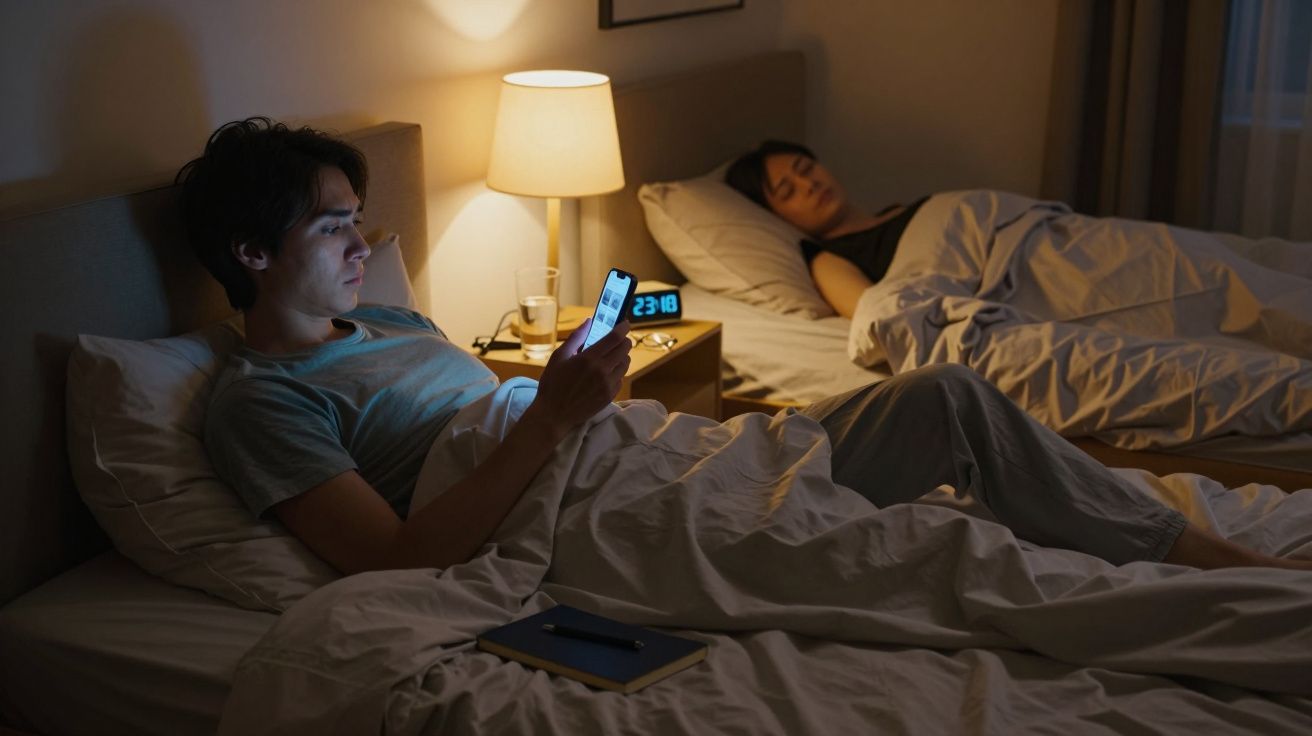
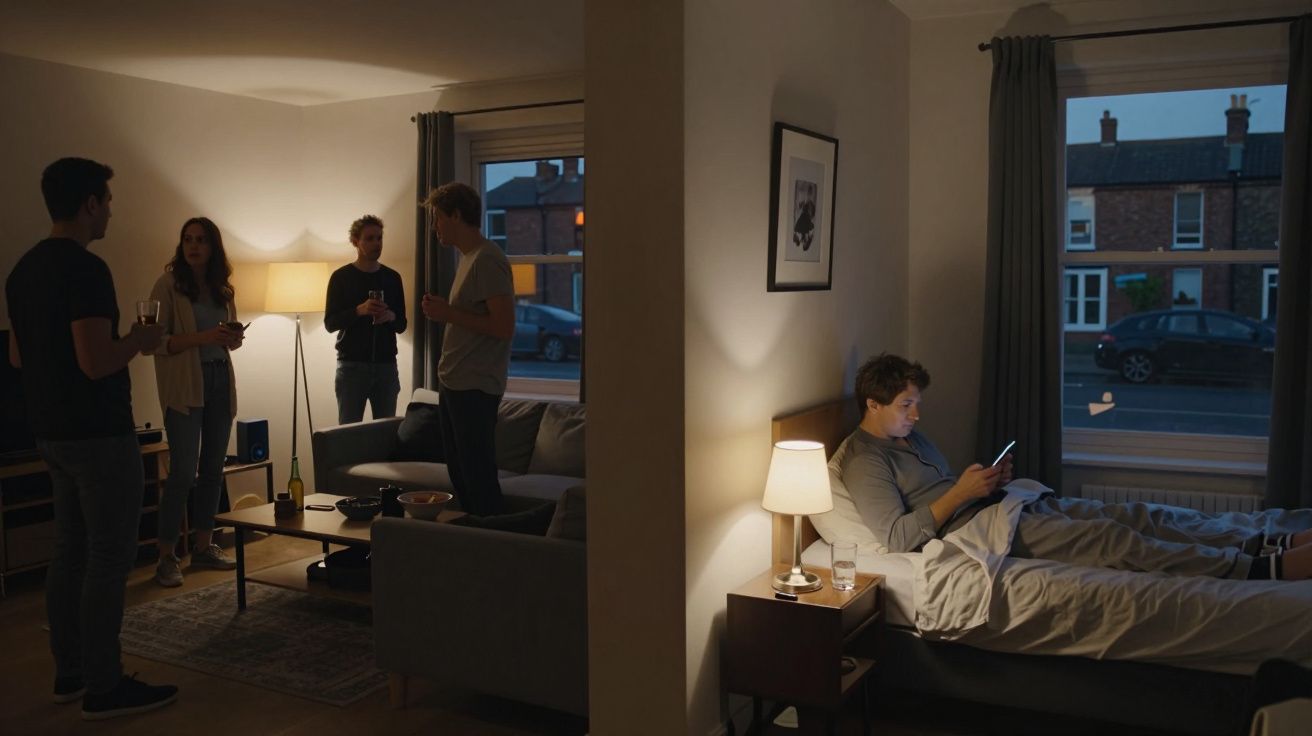
The flat doesn’t exist, but your heart rate hasn’t got the memo. You’re propped up on two pillows, thumb locked in a tiny loop: refresh, swipe, pinch to zoom. One more “Just added”, one more kitchen you’ll never stand in, one more floorplan you mentally knock through. Then the clock in the corner jumps from 22:47 to 23:39 and your chest has that faint, fizzy ache of having lived a whole parallel life without moving an inch.
You tell yourself it’s research. You’re learning the market, being prepared, staying “informed”. Your nervous system hears something else. It hears scarcity, comparison, and low‑level threat. It notes each red “Under offer” flag like a tiny loss. A therapist I spoke to called it housing doomscrolling. Then she offered a swap that sounded insultingly simple: ten minutes, no apps, a pen, and the square of actual floor you’re already sleeping on.
What housing doomscrolling does to your brain (before you even turn the light off)
The problem isn’t property itself. It’s timing, intensity, and the kind of stories your brain is wired to tell in the dark. Lying in bed is when your threat system quietly winds up: you’re tired, boundaries are fuzzy, and the line between “planning” and “catastrophising” is thin. Add an endless feed of listings and your mind does what minds do best: compare, predict, rehearse worst‑case futures.
Each swipe is a mini spike of novelty. A potential life. A hallway you imagine walking down, a local café you haven’t yet Googled, a school catchment you pretend to weigh up. Your body responds as if these are decisions on the table right now. Cortisol doesn’t care that you’re just “looking”. It registers uncertainty, choice overload, and the quiet panic of not measuring up to imaginary couples who somehow already live there.
There’s a second twist. Property feeds are tuned to show you just out‑of‑reach things: a little pricier, a touch more polished, an area you nearly can afford. The gap between your current bedroom and your fantasy one becomes a nightly dissertation on failure. Sleep research has a blunt way of putting it: pre‑bedtime comparison plus bright screens equals shallower sleep and grimmer next‑day mood. You wake in the same place, but somehow feel further behind.
The invisible tax on hope, focus, and relationships
We like to pretend our evening habits are sealed off from the rest of our lives. They aren’t. Ten or twenty minutes of tense, future‑fixated scrolling bleeds into the way you see your job, your friends, even the person snoring beside you. Housing doomscrolling quietly shifts three dials most therapists pay attention to: hope, agency, and connection.
Hope takes the first hit. If every scroll ends in “Sold STC” or “Guide price revised”, your nervous system learns a grim rule: good things appear, then vanish. Over time, people describe a dulling. They still browse, but with a strange, pre‑emptive disappointment, as if rehearsing the loss before it lands. *It’s hard to plan a move when your body has learnt that wanting is dangerous.*
Agency goes next. The more you watch, the less powerful you feel. You clock mortgage rates, bidding wars, endless “cash buyers preferred” lines. Yet the only lever you’re actually pulling is refresh. That mismatch - all signal, no real control - is textbook fuel for anxiety and low mood. You’re busy, but in a way that doesn’t move the needle.
Then there are the people around you. Partners become filters and fact‑checkers: “Look at this one”, “We’ll never get that”, “Should we stretch more?”. Bedtime, in theory a small harbour from the day, turns into a late‑night board meeting with no minutes and no decision. Solo scrollers aren’t off the hook either. You can’t deeply rest and mentally tour a stranger’s Victorian semi at the same time. Something has to give, and it’s usually actual rest.
The 10‑minute wind‑down swap therapists wish you’d try once
The swap isn’t glamorous, and it doesn’t involve buying a special lamp. It has three moving parts: one line of boundary, one small act of reality, and one simple cue for your nervous system that you’re allowed to stand down.
First, the line. Pick a time at least thirty minutes before lights out when property feeds go dark. That’s it. No “just checking” Rightmove, no sneaking onto Instagram to watch renovation reels “for ideas”. A therapist put it like this: “If it’s something you can’t act on tonight, it doesn’t belong in the last half‑hour before sleep.” It sounds severe. It’s actually merciful.
Second, reality on paper. Spend five quiet minutes noting where you actually are, in a notebook you keep by the bed:
- Three concrete things you’ve already done toward a housing goal (however small).
- Three current constraints you accept for this month only (savings, childcare, job, health).
- One tiny, next‑week action within your control (emailing a broker, setting a viewing window, updating a spreadsheet).
You’re teaching your brain the opposite of doomscrolling: limited focus, honest constraints, one doable move. **Housing stops being an infinite feed and becomes a page with edges.**
Third, send a cue. Swap the blue screen for a repeatable, low‑drama ritual that your body can learn as “we’re safe now”. It doesn’t need candles and chanting. Therapists see the most shift from short, tangible habits you can actually face on a Tuesday:
- A warm shower or face‑wash done slowly, not as a sprint.
- Ten deliberate breaths with hands on your ribcage, feeling the sides expand.
- A two‑minute stretch while you notice contact with the floor.
The key isn’t perfection. It’s repetition. Your nervous system is like that builder with the soap bar: give it the same small move before pressure hits, and it will start to split less often.
“But I need to stay on top of the market” - keeping the useful bits without wrecking your evenings
Let’s be honest: nobody is going to stop looking at property entirely, especially if you’re mid‑search or mid‑renovation. The goal isn’t monk‑like detachment. It’s moving your attention from the most vulnerable part of your day to the part that can bear it.
Start with timing. Put a simple containment rule around your searches: a set slot once or twice a week, in daylight, at a table. Add a brief agenda - yes, really - so you know what “done” looks like. For example:
- Tuesday 19:00–19:30: check saved searches, shortlist three, bin the rest.
- Saturday 10:00–10:20: book viewings or email questions, then close the tab.
You’re moving from grazing to grazing with a gate.
Next, cut the “infinite maybe”. Turn off general alerts and use only tight, realistic filters. If your budget is £350k, stop torturing yourself with “just seeing what £450k buys locally”. Treat dream‑home scrolling like fantasy football: fine for an odd Sunday afternoon, banned from the hour your nervous system is trying to downshift.
Finally, agree a ceasefire signal if you live with someone. A phrase like “That’s one for daylight us” can be enough to park a heated “Should we stretch?” row until your frontal lobes are actually online. Take ten minutes the next day to talk numbers with a clear head instead of in the half‑sleep, half‑panic of midnight.
A tiny, boring checklist that quietly protects your sleep
Pocket this as a small crib sheet the next time your thumb heads for the property app in bed:
- Last‑half‑hour rule: if you can’t sensibly act on it tonight, it’s off‑limits.
- Page, not feed: 5 minutes listing what you’ve done, what limits you accept this month, and one specific next action.
- Same cue, every night: the same short, physical wind‑down sequence, even when you’re not in the mood.
- Daytime housing slot: fixed, brief windows where you do the actual searching and emailing.
- Filter for reality: narrow alerts to what you truly can afford and want within the next year.
A psychologist summed up the whole thing in one sentence:
“If your bed keeps becoming a planning office, your brain will stop treating it as a place to rest.”
FAQ:
- Is looking at property apps really that bad compared to other scrolling? The mix of money, status, and long‑term security makes housing uniquely charged. That emotional weight, added to late‑night screens, is what tends to spike anxiety and disturb sleep.
- What if the only time I have to search is in the evening? Evening is fine; the key is drawing a line at least thirty minutes before you aim to sleep, and doing your searching upright, not already in bed.
- Will one week of changing this habit even matter? Many people notice lighter mood and easier sleep onset within a few nights. The real gain comes if you keep the boundary most days, not perfectly every day.
- Can’t I just use blue‑light filters and carry on? Filters help your eyes, not your nervous system’s response to uncertainty and comparison. The content you’re consuming matters as much as the light.
- What if my partner won’t stop scrolling in bed? Share how it makes you feel rather than criticising the habit. Propose an experiment - a week of “no property in bed” - and agree a specific time you will look together instead.

Comments (0)
No comments yet. Be the first to comment!
Leave a Comment