Why some schools now ban smartphones at the school gate – and what parents report six months later
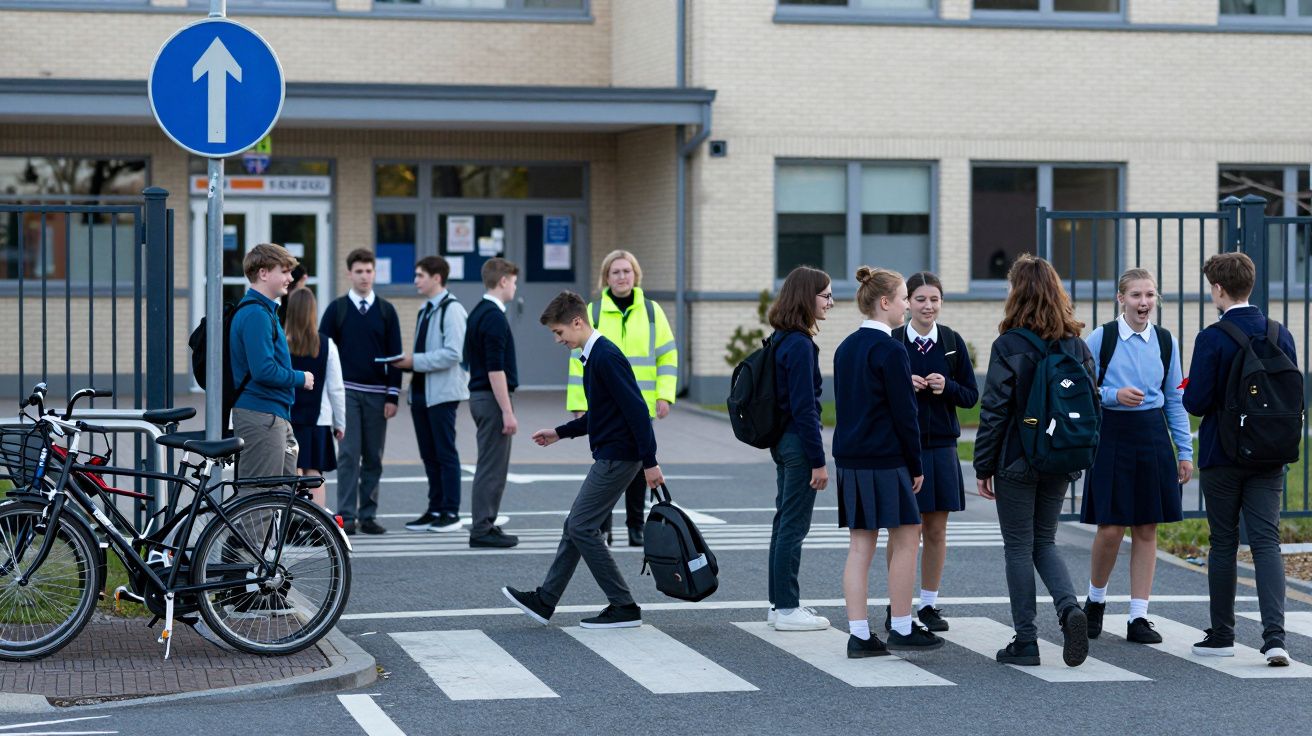
At 8.25am, just before the bell, the usual glow has gone. Outside the school gates there’s chatter, shuffling, a year‑eight boy practising keepy‑uppies with his rucksack. What you don’t see are screens. No TikTok scroll, no last‑minute Snapchat streak. Somewhere between the lollipop crossing and reception, the phones have vanished.
It isn’t magic. It’s policy, routine, and a surprising amount of parental relief. A growing number of schools now operate “gate to gate” smartphone bans – phones off and away from the moment pupils arrive until they step back out at 3.15pm. Six months in, the picture is sharper than the headlines.
Why schools are drawing the line at the gate
Headteachers will tell you they didn’t wake up one morning suddenly hating technology. What changed was the volume and weight of what arrived with the smartphone: friendship fallouts that started in group chats at midnight, TikTok trends re‑enacted in corridors, and a constant drip of comparison.
School staff noticed a pattern. Attention spans were frayed, playground disputes were screenshots with shoes on, and lunchtime looked more like a bus queue – heads bent, thumbs busy. Teachers were spending form time untangling online dramas, then teaching to pupils who had slept with their phones under the pillow.
In private, many heads say the same thing: “We can’t fix the internet. But we can control what happens on our site.”
Research into screen time and mental health is still evolving, but schools don’t have the luxury of waiting for perfect data. They see attendance registers, safeguarding logs, and the eyes of children who haven’t really switched off for days. The gate has become a practical boundary: not anti‑phone, just pro‑focus.
How a “phones away” day actually works
Most school bans aren’t about confiscating every handset for seven hours. They’re about clear rules, consistent enforcement, and removing the grey areas where debates used to live.
The typical pattern
- Phones must be switched off and in bags before pupils enter the site.
- If a phone is seen or heard, staff have the right to confiscate it until the end of the day.
- Repeat issues may mean the phone can only be collected by a parent or carer.
- Smartwatches that send messages are often treated as phones.
Some schools back this up with simple habits. Tutors check “phones away” as pupils come in. Staff on duty at the gates do the same quick visual scan they use for uniform. It’s brisk rather than confrontational, and after a couple of weeks most pupils stop testing the boundary.
A few schools go further with lockable pouches. Pupils keep the device but can’t open it without a magnetic unlock at the gate. That keeps parents reassured about the journey home while making it pointless to sneak a scroll at break.
What changes in the first six weeks
The immediate shift is oddly quiet. There’s a softer start to the day without the “have you seen this?” cascade of viral clips in morning line‑up. Teachers say pupils settle to tutor time faster, and transitions between lessons are less sticky without the pull of notifications.
Break and lunch look different too. Staff report:
- More pupils joining in games, clubs and casual football.
- Shorter queues for pastoral staff about overnight group‑chat drama.
- Fewer pupils eating alone with headphones as social armour.
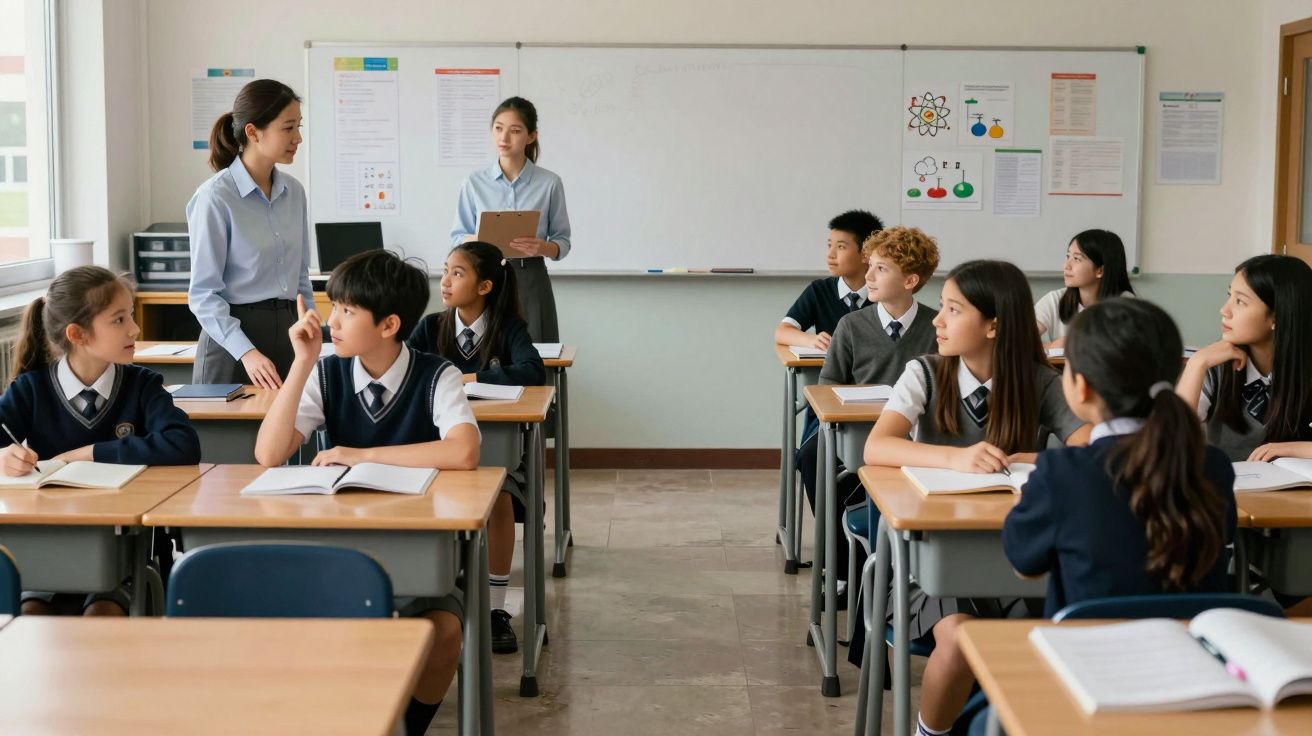
The learning impact is subtler but real. Without phones buzzing in bags or on laps, low‑level distraction drops. That means fewer tiny breaks in concentration which, over a term, add up. Pupils who were already diligent notice they can get through more work in class. Those who struggled to stay on task have one less thing to resist.
You still get grumbling, especially from older year groups. But by half term, most schools report that resistance turns into routine. It feels odd for a week, then normal.
Six months on: what parents are actually saying
The most useful feedback often doesn’t come from behaviour logs; it comes from kitchens and car journeys. When schools ask parents how things feel after half a year, three themes show up.
1. Calmer afternoons
Parents describe children coming home slightly less wired. Without the constant drip of in‑school notifications, the day has a natural beginning and end. Arguments still happen – this is adolescence – but fewer of them are fuelled by something that flashed up during maths.
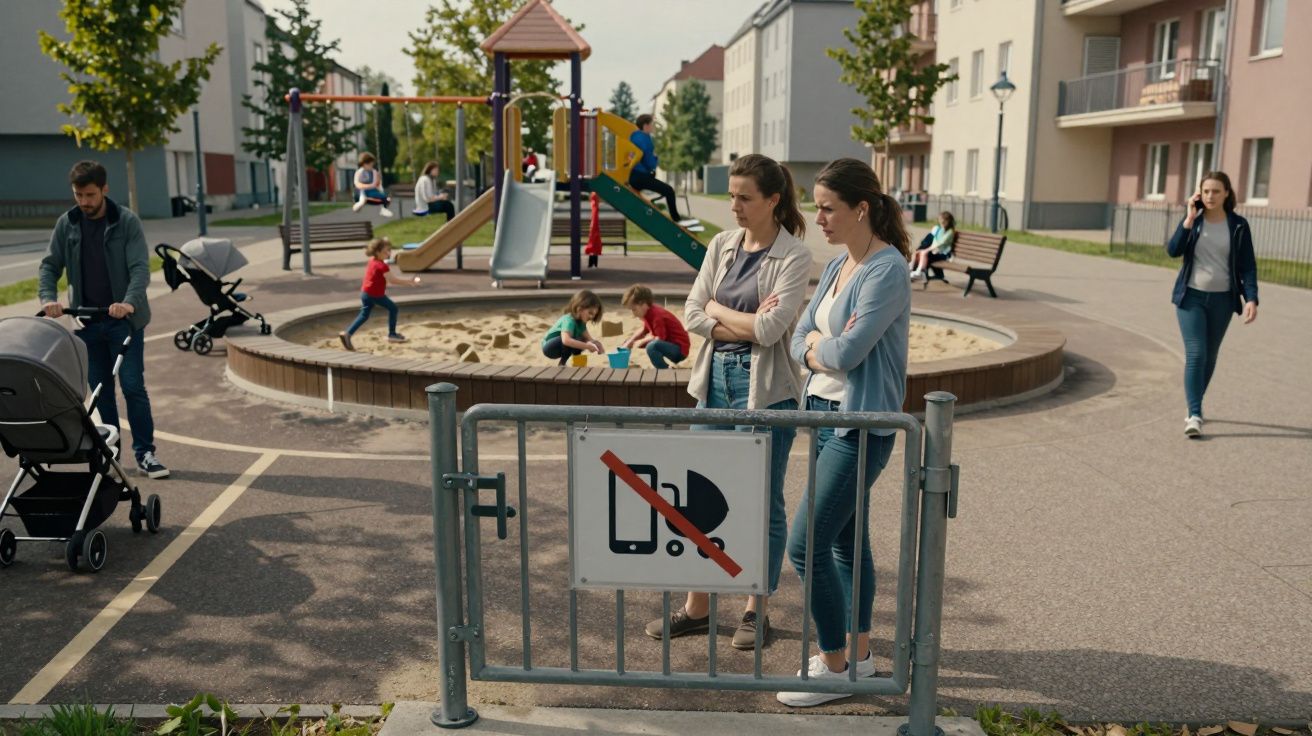
Several parents mention a difference in the walk home. Their child now turns the phone back on at the gate, checks messages, and chooses what to respond to, instead of spending the entire journey firefighting. It’s a small power shift back towards intentional use.
2. Clearer boundaries at home
For some families, the ban made it easier to introduce or reinforce their own rules. School had drawn a confident line; parents could now echo it without feeling like the only strict household on the street.
Comments schools hear often:
- “It gave us an excuse to move phones out of bedrooms at night.”
- “We delayed Instagram because she could honestly say, ‘I don’t need it in school.’”
- “It’s easier to say no to data at lunchtime when everyone’s in the same boat.”
The policy doesn’t magically fix home habits, but it lowers the temperature of the argument. Instead of “my mean parents vs everyone else”, it becomes “this is just how our school works”.
3. Mixed feelings about contact
Not all feedback is uncritical. Some parents miss being able to text their child at break, especially those with medical needs or anxiety. Others say their own dependence was exposed; they hadn’t realised how much they relied on “just checking in” during the day.
A recurring compromise is for parents to call the office for anything urgent. At first this feels old‑fashioned and clunky. After a while, many say it also makes them think twice before reaching for their phone. If it’s not important enough to ring reception, perhaps it can wait until 3.15pm.
What pupils quietly admit (eventually)
If you ask a year nine on day one what they think of the ban, you’ll hear words like “unfair” and “pointless”. Ask again at six months and the answers are more complicated.
Some still hate it. But a surprising number will say they feel less pressure to respond instantly. Without phones in lessons or at lunch, there’s less fear of missing the meme, the message, the in‑joke. One girl summed it up to her form tutor: “I get a break from everyone, and they get a break from me.”
Common reflections teachers hear:
- “It’s less drama because stuff doesn’t blow up in the middle of the day.”
- “I talk to people I wouldn’t normally talk to.”
- “I still use my phone loads at home, but it’s not like… all the time.”
Not every pupil thrives. Teenagers with strong online friendships, especially those who feel isolated at school, may find the change hard. The best schools pair the ban with extra pastoral support, lunchtime clubs, and spaces where those pupils can belong offline too.
The detail that makes or breaks a ban
It’s easy to write “no phones” into a policy. It’s harder to run it in a way that feels fair and humane. Schools that say it’s working share three quiet habits.
1. Consistency without theatrics
Staff enforce the rule the same way for everyone, every day. A phone on the desk in science is treated the same as one in the corridor. There’s no big show, just a calm, predictable consequence. That steadiness builds trust.
2. Clear communication with families
Before the ban starts, schools explain:
- Why they’re doing it (learning, wellbeing, safeguarding).
- How it will work (from the gate, through the day, at collection time).
- What parents should do in emergencies or if a child needs to check in.
Some schools hold short online Q&As, or send example scripts parents can use at home. The message isn’t “phones are evil”, it’s “school is a protected space”.
3. Making school worth looking up for
A ban on its own is blunt. The more engaging the school day – clubs, music, sport, creative projects, a lively library – the easier it is for pupils to forget what they’re missing online. When breaktime feels like a holding pen, phones loom larger in the imagination.
How parents can play it smart at home
You don’t have to love the policy to make it work for your child. Small, practical steps go further than grand speeches about screen time.
- Back the school in front of your child. If you have doubts, raise them with staff, not in earshot of a teenager who will seize on any crack.
- Sort the logistics together. Where will the phone live in the bag? What’s the routine at the gate? Agree a plan rather than arguing about it at 8.29am.
- Use the ban as a cue to tidy up home rules. Think: charging outside bedrooms, screen‑free dinner, a set time in the evening when everyone (adults included) puts their phone down.
- Notice what improves. Point out when homework is quicker or evenings feel calmer. Teenagers are more likely to stick with a change if they can see a payoff.
If you’re worried about safety, talk to the school about specific scenarios rather than rejecting the policy outright. Most are willing to adapt for medical conditions or other genuine needs, especially when parents approach them early.
What this trend might mean long term
No one serious is claiming that school phone bans alone will rescue childhood. But they do shift the default. They say that for seven hours a day, in one important place, children can exist without the constant pull of a screen.
Over time, that might help pupils experience what sustained focus feels like, what friendship looks like without a filter, what it means to be unreachable for a while. Those are muscles you build by using them.
At home, parents six months in aren’t talking about perfection. They’re talking about a bit more breathing space, slightly fewer battles, and a school day that feels less like an extension of the feed. For most, that’s enough to say: keep the ban, and keep the phones out – at least until the gate.


Comments (0)
No comments yet. Be the first to comment!
Leave a Comment